

Table of Contents
Introduction: Why Combination Skin Needs a Tailored Skincare Routine
Finding the perfect skincare regimen can be more than exhausting, especially when an individual faces combination skin; it can become an act of walking on a tightrope. This kind of skin is different because it is also dry and oily- the oiliest area in the T-zone (forehead, nose, and chin) and drier on the cheeks (or jaw). It also alternates with changing seasons, it is oiler during summer and drier during winter, and it is on this issue that consistency and flexibility of routine are required.
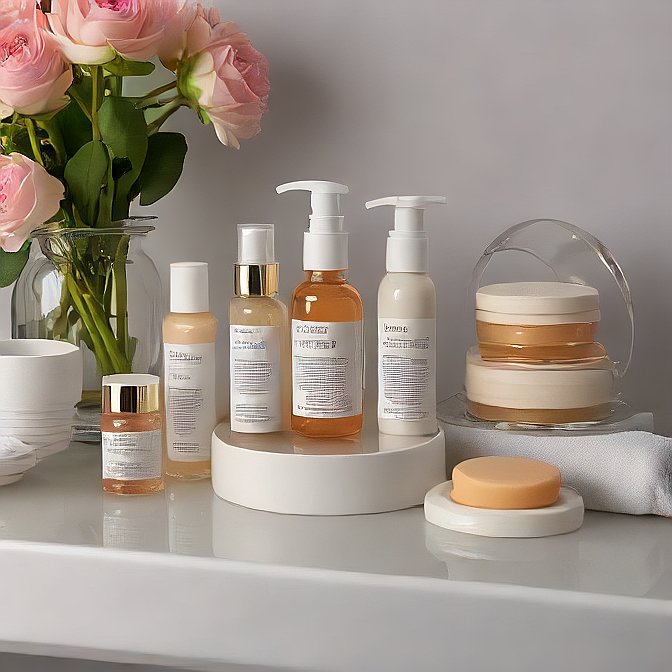
Wrong ingredients easily upset your skin and can either dry out your cheeks too much or make your T-zone too oily. That is why a skincare regimen that can specifically help combination skin should be the solution to a healthy and glowing complexion. That is all it takes: the right treatments and the right mix of skincare to keep your parched skin dry, your acne-prone sections of grease, and your skin glowing no matter what the weather.
In this guide, we will take on a proven, step by step skincare routine using combination skin with pointers to prevent common pitfalls and stay balanced, skin happy all through the day.
Step 1 – Start with a Gentle, Balancing Cleanser
Healthy skincare is founded on a combination of skin-cleansing. The concept is to remove the skin of the over oil, dirt, and make ups yet allowing the skin to retain its own natural moisture content of the skin. Harsh cleaners can leave the dry flakes dry and itchy, and improper cleaning can result in greasy areas that are prone to acne.
Obtain gel-based cleansers that will be light and fresh to the touch on the skin but not drying. Additives like hyaluronic acid and glycerin are included to help the skin absorb moisture, hence leaving it quite supple due to the removal of impurities by the face wash.
- Tip in the morning: In the morning, take a break and do a light hydrating cleanse and wash the overnight oils away.
- Evening tip: Double cleanse, use a light form of oil or micellar water to get off your make-up and sunscreen, and then use your gel-based cleanser to really clean out the pores but not dry them out.
Step 2 – Tone to Restore pH and Hydrate
A step like toning is one that people tend to forget in their skincare routine; however, when it comes to combination skin, this can actually make a big impact. Use of a good toner also assists in correcting your skin’s PH state after washing and in preparing your skin to receive the serums or moisturizers applied on it.
Since alcohol leads to excessive dryness of the cheeks. Look out for moisturizing, cooling ingredients like rose water, green tea extract, or even chamomile– all these ingredients soothe irritated areas and clean up oily areas without much annoyance.
Avoid the toners that contain too many astringent substances that cause your skin to produce oil in the areas with the T-zone and the drier regions.
Check Out: Skincare for Oily Skin: Powerful Do’s and Don’ts for a Shine-Free Glow.
Step 3 – Targeted Treatments for Both Oily and Dry Zones
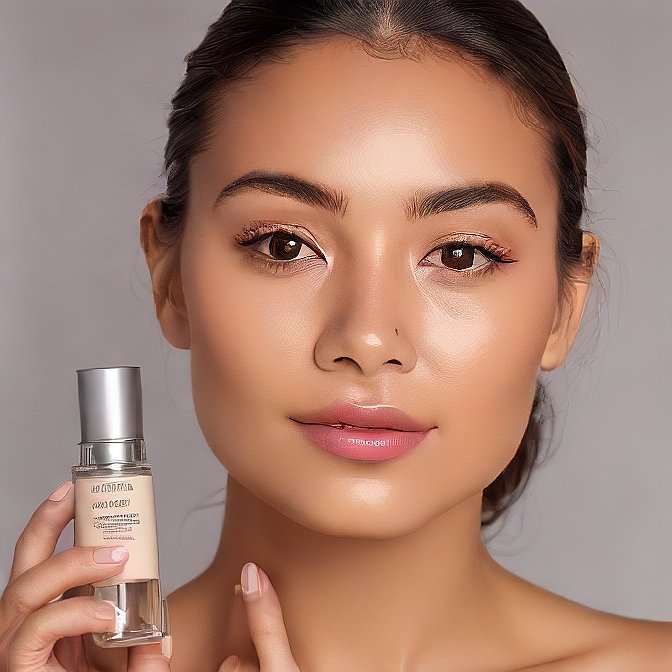
The mixed skin type requires a dual solution: during the T-zone, one must regulate the oiliness, and in the other parts of the face, they should hydrate. Here, the use of targeted treatments comes in.
In case you have breakouts on oily parts of the face, you should target ingredients such as niacinamide and salicylic acid, as they will help to normalize the amount of sebum and unclog pores. In a case of dry or flaky areas, heavy hydration is achieved with hyaluronic acid serums or barrier-repairing formulas that can be packed on without causing any heaviness.
Breakouts work perfectly with spot treatments. Note, you only apply it where it is needed, not all over the face, which can make it dry. The use of convenient, fast-absorbing serums is the best way to go, so the pores are not burdened by various kinds of “garbage.”
Step 4 – Layer a Lightweight Moisturizer That Works for All Areas
You should moisturize even when you have oily skin in some parts of your body. Missing a moisturizer can result in dry skin that will trigger your skin to begin to overproduce oil. The secret is choosing between a water based or gel-cream based gel that does not leave a greasy appearance once the hydrating gel has been used.
On parts that are dry, like cheeks, apply a little more product in the drier parts but less in oily parts like the forehead and nose. This ensures that one area does not get excess and all areas are contented.
- Day: apply a light moisturizer, which can easily be built upon until the sunscreen or make-up is applied.
- Night: Thicker formula by a notch to overnight repair, even though maintaining moderate texture.
Step 5 – Daily Sunscreen for Even, Healthy Skin
Sunscreen is not an option to apply on the day at the beach, but an essential part of any skin care, particularly the combination skin. UV light has the properties to bring about degeneration of skin cells, cause aging to accelerate, and add to the skin problems like dark spots and an uneven skin surface of ski. The protection of your skin on a daily basis will balance out all your efforts at cleansing, moisturizing, and treating your skin.
In a combination skin, a lightweight and non greasy lotion must be used as a liquid and a broad-spectrum sunscreen (must contain SPF of thirty or more). In an oily T-zone, gel/water-based sunscreens penetrate quickly even though pores are not clogged.
Reapplication: A sunscreen in the form of a sprinkling powder (powder sunscreen or SPF mist) may be reapplied somewhere in the middle of the day, called midday reapplication, to avoid removing the sunscreen but leaving a glow to the skin.
Weekly Add-Ons for Extra Glow
In addition to your everyday footsteps, weekly therapeutics scenarios may enhance your skincare rituals to whole new levels by maintaining smooth, radiant-looking skin and clearing it out.
- Exfoliation: Exfoliate once a week (twice a week in the summer) but exfoliate with only a mild formula (high concentration alpha-hydroxy or coarse scrub). This opens the pores of the oily parts and also removes the perceived dryness and scales of facial skin surrounding the cheeks.
- Face Masks: mix and match: hydrating to dry areas + oil-absorbing masks to the T-zone. Even multi-masking is possible–applying different products to different parts simultaneously.
- Overnight Treatments: Twice a week, wear an overnight moisturizing face mask or a serum super rich with ceramides and peptides to assist in getting repair on the skin barrier as well as strengthening it while asleep.
Common Skincare Mistakes to Avoid with Combination Skin
Your skin is prone to getting destabilized even when you make the smallest of mistakes with the best of intentions. This is what to look out for:
- Cleaning with Harsh Cleansers: Foaming too much or stripping cleansers eliminate excessive amounts of the natural oil, causing dryness in certain parts and rebound oiliness in other parts.
- Moisturizer: Despite the oily regions, it is needed in all parts of your face, without which extra sebum release will occur.
- Excessive exfoliation in oily areas: Excessive exfoliation may weaken skin barriers and result in the aggravation of the skin and acne.
- Throw it away on a Cloud Day: UV simply does not reach the clouds, so to use sunscreen only when there is sun on the horizon is not right.
Conclusion:
There is really no need to make caring about your combination skin a complex or overly sophisticated undertaking, but it does need some considerations, as one should follow a balanced approach. These suggestions—a step-by-step guide to a skincare regimen that helps keep oily zones in check, hydrates dry ones, and creates an even, healthy complexion any month of the year.
Materials would be your best friend: consistency. Results will be seen over time, and to keep things going, just follow your routine and make changes at necessary points as the season or your skin demands. Reminder-what works during the summer may have to be adjusted during winter to maintain your skin healthy and radiant.
Flock, your combination skin can be its best with the correct products, specialized treatments, and making a routine of applying sun protection.
For more info: Click Here.
FAQs About Skincare Routine for Combination Skin
1. What about combination skin? Do I have to buy various types of products throughout the year?
Not always. In the hot seasons, the skin will become more induced to producing oil, and in cold seasons, the skin also becomes dry. In the summer, it may be that you need lighter moisturizers and, in the winter, you may need rich moisturizers.
2. How do I curb the oily shine without making my face dry?
Apply oil-regulating acids such as niacinamide on your T-zone and use liberal hydration. Do not forget about moisturizer because dehydration may provoke overproduction of oil.
3. Do I need separate moisturizers on my T-zone and my cheeks?
In case of highly imbalanced skin, you may apply two moisturizers. Otherwise, any lightweight gel-cream with good formulation would suit all zones, although a slightly larger portion would be used in dry zones.