Table of Contents
Introduction
Ever so, it is not necessarily the products that you are working with in terms of creating an effective skincare routine. It is also about implementing these products in such a manner that makes the best out of them. Toners are able to clean the skin, serums are able to address individual skin issues, moisturizers can hydrate the skin and sunscreens can protect the skin (and products) against the rays of the sun.
But, unless it is carried out properly, it will not work as well as the products may be expensive. Luckily, it is simple. It will not take much time to have an effective, efficient and skin-specific routine.
These 8 tips for layering your skincare products right (and well) will make every step in the process a success.
1. Always Cleanse
The initial layer of the skincare should be to cleanse. The skincare products will also not absorb dirt, oil, sunscreens and/or cosmetics.
These drying agents leave your skin parched. A mild cleanser will take care of that without drying out your skin. A light morning shower is also likely to be dispensed with. A double cleansing in the evening could be the best to cleanse your skin, especially when you are wearing any makeup and/or a sunscreen which is meant to help cleanse your skin.
The initial step towards healthy skin is cleansing. It is imperative to make other products maximise their usefulness.
2. Apply a Toner immediately after washing
Many are not accustomed to toners; however, in this day and age, toners can be one of the most important aspects of a layer skin care. Toners will now usually moisturise, calm or exfoliate (according to the type of toner used) the skin instead of dehydrating it.
Toners have the ability to rebalance the pH of your skin following the cleaning procedure, and make it prepared to apply the rest of the skin-care routine. Between the hydrating toners and exfoliating toners, you can have the hydrating ones working to give your skin a moist feel or the exfoliating ones to work on redness, humps and blemishes so that your skin will appear smoother.
Toner can be applied with a cotton pad or clean hand, and allowed to dry. You do not want to flood but prepare.
3. Motarise with a Serums
Layering skincare products are made of serums. They include a blend of active ingredients and are formulated to address skincare concerns like dull complexion, acne, fine lines and wrinkles, dark spots, dryness or irritation.
Serums are usually not heavy compared to the moisturizers, hence it is advisable to apply them after the toner before the moisturizer. By doing this, they are able to enter the skin.
When using a mix of skin products, apply the most liquid product to the more viscous products. This will usually be a lighter serum (moisturiser) to hydrate and then a heavier one (to treat) comes after. It is worth mentioning that not all things can be amalgamated. There are active ingredients in some moisturisers which will be irritating when combined such as retinol, acids (exfoliating) and vitamin C.
Fewer products more on good skincare. Less is more.
Check Out: Skincare for Teens: 7 Essential Tips to Start Healthy Skin Early.
4. Wait a little Between Layers
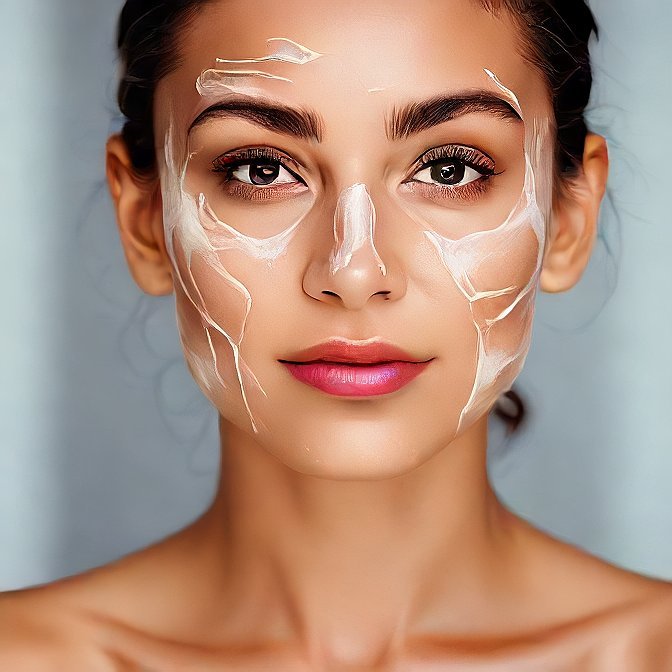
One of the keys to layering skincare is “time”. Now you don’t need to wait until the sunrise for each step; you do need between 30 seconds and a few minutes for some of the earlier steps, though.
Putting too much product on your skin too quickly can cause the product to “pill” or move around on the skin, and can dilute other products. Sometimes, just a second or 30 seconds is all that’s required for the first step. And pastes may take a little longer.
This is especially true if there are active ingredients and/or multiple textures. This may lead to improved effectiveness and/or improved tolerance.
5. Moisturizer Locks it All In
The use of a moisturizer in multiple layers of skincare products is significant as it helps to lock in the moisture. All have to moisturize their skin.
In case of oily skin, a water-like or lotion moisturizer will be sufficient. Dry and sensitive skin will benefit from a cream moisturizer, which will help loosen and add a bit of hydration to improve the look of “drying out” and tightness. Moisturisers are not just supposed to be used for their “feel good” factor. But it’s to preserve and enhance some of the benefits of products underneath and to even out the skin.
Some people opt out of moisturising because they believe that the serum they’re using takes its place, but this may be more drying. Moisturisers may finish off the product.
6. Use Facial Oils (if you like)
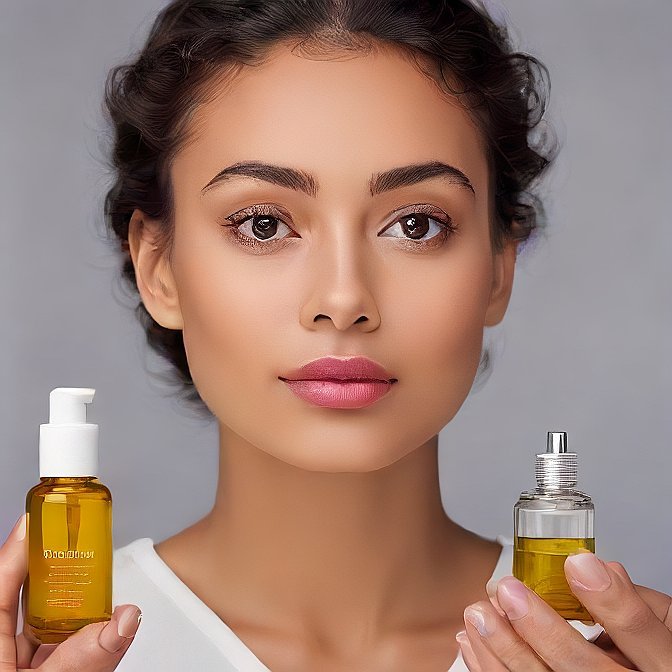
Facial oils provide great benefits, but are not necessary. They are usually used towards the end of the skincare layering process as they are absorbent (or seal, rather than moisturise).
If you have dry skin or sensitive (or “stingy”) skin, then a facial oil will be helpful to calm and help repair the barrier. But be careful if it is acne-prone or oily skin as it might be better to start slowly and/or a small amount.
A facial oil is best applied after a moisturizer particularly at night. This should be applied over, rather than in place of, moisturiser.
7. Never forget Sunscreen in the A.M
One thing that you will take away from this article on your skin-care routine layering the next time around is that you must use sunscreen as the last thing in the morning.
Use the sunscreen at the end of your beauty product (on top of toner, serum and moisturizer) because it prevents ageing before time and sun spots. No skincare routine can be complete without sunscreen.
Liberally apply sunscreen to the face, neck and anywhere exposed to the sun’s rays. Sunscreen should be the last product applied to your face in your AM skincare routine, as it is formulated to go over your products.
Using skincare products is not the only consideration. It’s about protection.
8. Less is more – be skin-friendly
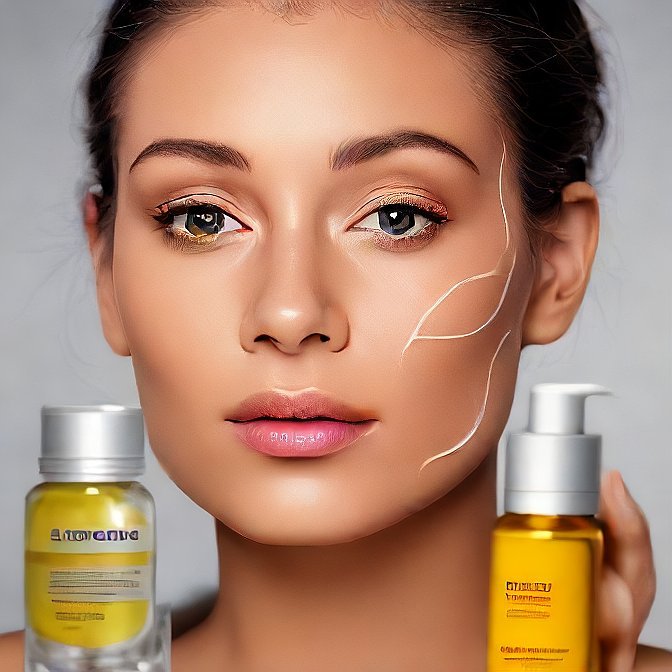
The error that we commit when it comes to creating a skincare routine (applying many various products) is that we think that this will help. Though the more products one applies, the more chances that one irritates his or her skin or becomes confused when it comes to deciding whether a product works or not.
In general, less means more:
- The same thing during the nighttime routine with some changes in concerns.
- It is a personal affair when it comes to skincare. This involves selecting the products that would suit your skin type. Do not use more than enough products doing the same job, use products to address your concerns.
There is something you ought to think about in your skincare.
Here are some layering skincare mistakes to avoid
We may have the right products but there are two things that we should have on our minds. Failing to use your products in a proper sequence (moisturisation before serums, or sunscreens before moisturisation). It is also important not to apply excessive active ingredients which can cause damage to skin barrier.
We can also be putting on too much exfoliating and/or excessive heavy textures, and this can give your skin the appearance of being greasy or cakey. In this case, it is about accumulating and hearing your skin.
Conclussion
Putting on your skincare in the right sequence is a simple way to boost your skin care routine, without having to add more products. This order enhances the effectiveness of products and gives your skin important nutrients.
Cleanser, toner, serums, moisturizer and sunscreen (in the daytime) are the ingredients you’ll find in the top skin care products. Have it all revolve around skin oils if your skin is oily and keep it in control.
Keeping it simple is the way to healthy-looking skin. It’s all about the routine, moments and layerings.
For more info: Click Here.
FAQs
1. How to apply cosmetic products?
Consult the general rule of thumb whereby you apply the lightest to the heaviest textures. Cleanser, toner, serums (Eye cream, Moisturiser and Sunscreen in the day). This helps to get the most out of products.
2. Do I have to wait while applying skincare?
No particular time – may be as short as a few minutes (30 seconds to a minute) to absorb most products. Wait a minute (1-2 minutes) in order to use more active skincare products, e.g. acids (fruit acids, salicylic acid, glycolic acid and so on), retinoid (like Retin-A).
3. Can I use different serums?
Yes, but it is necessary that there be compatibility. Use the lightest texture first through to the thickest and do not mix incompatible active ingredients (e.g. strong acids and retinoids) unless you have a skincare professional who will guide you.