Table of Contents
Introduction
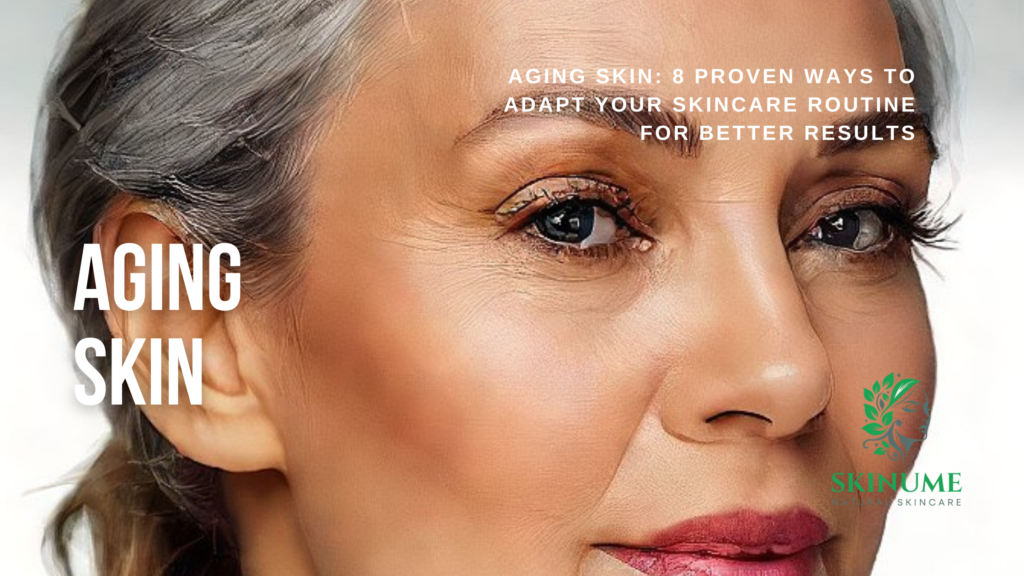
Holding onto your facial features and expression with a changing skin can get on your nerves as you get older because you are used to the routine, thus the change. With each passing year, the skin starts to exhibit obvious changes, which include fine lines, dries up, no longer has a smooth surface, and gradually loses its firmness and glory. Partially, these transformations are caused by the decreased production of collagen, a decrease in cell turnover, and prolonged exposure to environmental stress factors such as sun damage and pollution.
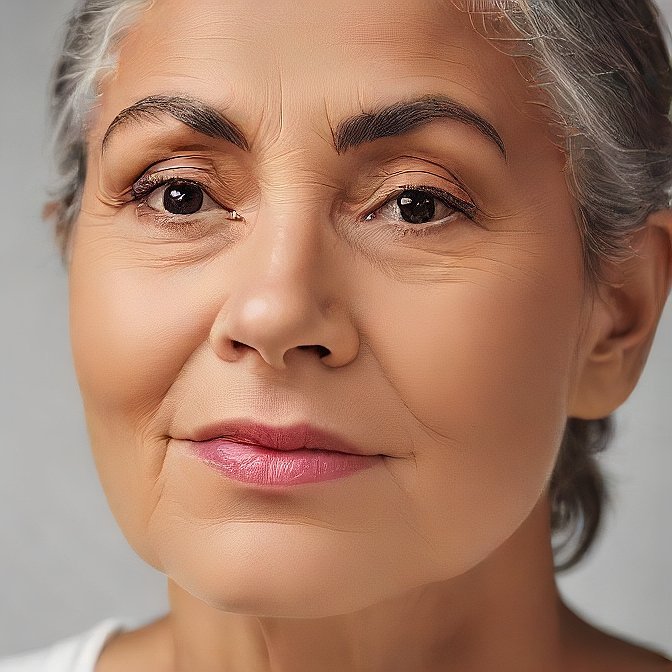
What was working on your skin during the 20s/early 30s might not be working the same on your skin. This does not imply that your skin can not be healthy and lively, it just requires a more considerate approach and focus.
The silver lining is that when you make the corresponding changes, you can make aging skin look and feel much better. It can be as simple as reinforcing your skin barrier or adding something intensely powerful, but small, intelligent shifts will provide long-term results that are seen. In this tutorial, we are going to examine 8 effective methods of changing your skincare regimen so that it produces even better results.
1. Decode Your Aging Skin: What are the What and Who Changes?
In order to take good care of aging skin, one needs to first know what is going on beneath the skin. There are both intrinsic (natural) and extrinsic (environmental) factors that determine skin aging.
A healthy aging process is known as intrinsic aging which is caused by aging which involves a decrease in collagen production, a slowing down of cell regeneration and a reduction in elasticity. On the contrary, the extrinsic aging is caused by the external factors like sun and pollution as well as smoking and lifestyle habits.
Also significant can be a change in hormones, particularly the decrease in estrogen level. This may cause thinning of skin, excessive dryness and texture. In the course of time, you might see finer lines appearing, skin losing its tone of firmness and an all-over appearance of lacklustre that are clear indications that your regimen may be due for an enhancement.
Learning about these changes will ensure your better decisions in terms of caring about your skin in aging.
2. Replace with a Strengthening Cleanser with Barrier
Skin changes during maturity so that the barrier of the skin becomes weaker, such that the moisture can be easily lost and the irritants can be easily absorbed. Critical cleansers may remove the necessary oils, which results in dry, tight and discomforting aging skin.
Alternatively, changing to a less harsh, hydrating cleanser potentially helpful in maintaining and protecting the skin barrier, and capable of dissolving dirt and impurities. The following formulae allow the skin to stay in balance without interfering with the natural moisture content of the skin.
The ingredients to look for include ceramides, known to restore the skin barrier, glycerin that attracts moisture and amino acids which are known to support overall skin wellbeing. An effective cleanser establishes the grounds for healthier and stronger skin.
3. Hydration to Deep Long Lasting Skin Comfort
A decrease in skin moisture is one of the most evident aging skin alterations. With less production of oil, skin is more likely to be drier, rougher and become more susceptible to fine lines. This renders hydration an important procedure of a productive skincare plan.
Hyaluronic Acid (or hyaluronic acid), a water-attracting and holding ingredient, Squalane, a replica of natural skin oils to add back the softness, and Panthenol, a soothing and fortifying ingredient of the skin barrier, are some of the vital components to consider. A combination of these ingredients contributes to prolonged comfort and more supple skin.
Check Out: Dark Spots and Hyperpigmentation: 7 Proven Remedies for Clear, Even Skin.
4. Use Sunscreen and have it as your Non-Negotiable Anti-Aging Step
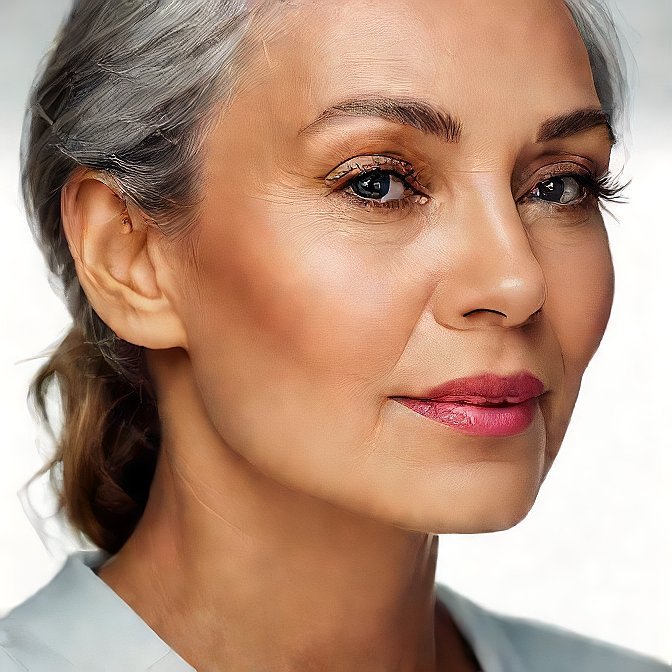
Sunscreen is the skincare product that will have a great influence on aging skin. In fact, it is UV damage that has caused most people to age at an inappropriate age that leads to the occurrence of the fine lines, pigmentation, elastic and evenness of texture to fade away with time even on a cloudy day.
A broad-spectrum sunscreen (SPF 30 or higher) is recommended in order to provide the skin with maximum protection. This cover both UVA ( aging rays ) and UVB (burning rays) and will leave not only your skin safe and healthy but also young.
The skincare right before a shower, apply sunscreen morning and evening, should be the last step in your routine because it will have an optimal effect. Reapply after every 2-3 hours especially when in the outdoors environment to ensure constant protection and healthier and stronger aging skin.
5. New Visible Skin Renewal Retinol
One of the strongest ingredients to use in improving aging skin is retinol. It functions by increasing collagen, increasing the turnover of the cells, and slowly eliminating fine lines and wrinkles.
To start with low concentrations and apply it only 2-3 times a week at night. This enables your skin to become tolerant and lessens the chances of being irritated. A supportive moisturizer should be used after all the time to maintain the skin.
Retinol provides long-term results, so that over time, aging skin has a more apparent quality, an even tone and a younger appearance.
6. Flood Your Body with Antioxidants
Antioxidants must be used to prevent the aging skin damages brought due to pollution, UV rays and free radicals. These erratic molecules disintegrate the collagen and hasten noticeable signals of aging, and so, antioxidant provides are essential.
Vitamin C, which brightens up and makes the skin look younger, Vitamin E, which nourishes the skin and improves the skin defence system, and Niacinamide, which can improve the skin texture, decrease inflammation and even out the skin tone, are some of the best antioxidants.
With antioxidants in your morning, you have been able to provide support to your skin care defense system throughout the day, in turn keeping your aging skin healthier, brighter and more resilient as time goes by.
7. Perfect Flaky Skin to a Smoother, Brighter Skin
Exfoliation is necessary to uphold smooth and radiant aging skin yet one has to exercise caution in exfoliation. Due to the aging process, skin tends to be more fragile thus rough scrubs may result in micro-tears, irritation as well as breaks the barrier.
Instead, use chemical exfoliants, which are safe enough like AHAs (glycolic and lactic acid) and glycolic acid that can help remove dead cells on the surface of the skin or use salicylic acid, which is BHA, which helps to unclog pores and decrease buildup.
Regularly using 1-2 times a week is generally satisfactory for the aging skin. This aids in increasing texture, adds to the absorption of the product, as well as to show a better complexion- not necessarily straining the skin barrier.
8. Discuss Niche Issires with Intelligent Therapies
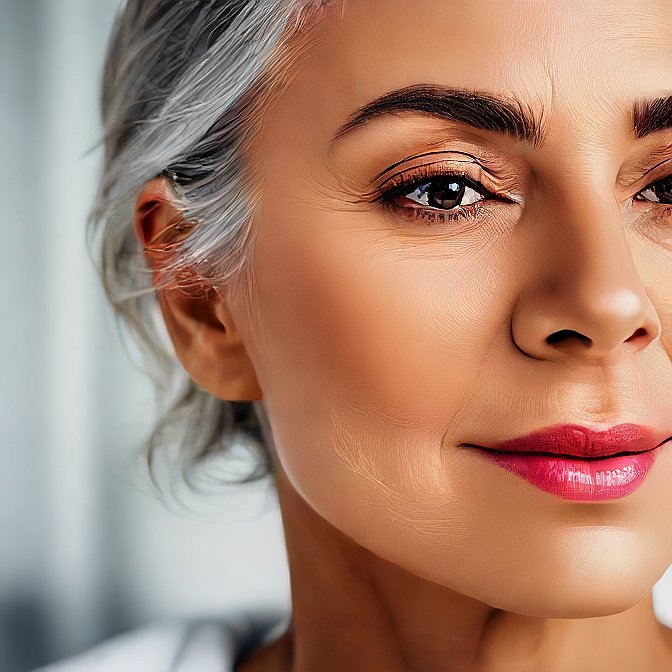
With changing ageing skin, it is no longer possible to have a one-size-fits-all approach. Specific treatments and serums will enable you to correct certain issues like wrinkles, pigmentation and loss of firmness much better.
There is an observable enhancement in skin quality in the long-run with Serums that are composed of active ingredients. An example is that peptides help stimulate collagen synthesis, make the skin more elastic and growth factors allow the skin to repair and renew. There are ingredients that induce collagen, which may slowly rejuvenate aging skin to have a more lifted and smoother look.
To achieve optimal outcomes, make your practice personal, depending on what is of most concern to you. Most people either aim at reducing fine lines, contouring an even tone or having a more pronounced sagging, but the targeted treatments are more accurate and guarantee the success of the skincare routine.
Bonus Section: How to Vibe on Your Skin
Topical products are not only the direct cause, but also the most profoundly affected factors in making the aging skin healthy and glowing.
It is important to sleep well since it is a time when skin repairs itself and creates collagen. Stress management also comes into consideration as chronic stress can age may stimulate inflammation, and can also hasten the aging process.
Meanwhile, it is possible to prevent bad habits, which will reduce the manifestations of aging in a large number. Smoking and eating too much sugar, dehydration can all cause dullness of skin, fine lines and loss of firmness. One of the most effective long-term measures to keep your skin young and healthy is supporting your skin with healthier, everyday choices.
Conclusion
Caring for aging skin is not all about attempting to take that clock back a step or two-it is simply about collaborating with how your skin is aging in a smarter and more supportive manner. Your skin is changing and your routine should as well.
Within the aforementioned categories of barrier-friendly cleansing, a morning-time sun protection that lasts throughout the day, and other potent actives such as retinol, antioxidants, you can greatly enhance the skin tone, its firmness, and general radiance. All these skincare actions, once coupled with healthy lifestyle habits, are even more evident and prolonged.
It has all to do with consistency. The incremental, meaningful changes in your everyday routine may yield obvious changes on your skin as you age, enabling you to have a healthier, more healthy, self-assured and naturally radiant look.
For more info: Click Here.
FAQs
1. How should a skincare routine be in order to apply it to aged skin?
Usually, there is an extensive regimen of aging skin which includes a light cleanser, hydrating serum, antioxidant (vitamin C), moisturizer and sunscreen in the morning. They can be applied using retinol or peptides at night in order to repair and renew the skin.
2. What will be the age when I will be required to start using anti-aging products?
It began to increase at their late 20s-30s, thus there is no particular age when aging begins. The application of sunscreen, hydration and antioxidants will counter the skin aging process that is apparent at a young age.
3. Are the changes in lifestyle beneficial in improving the aging skin?
Yes. Good sleep, stress, hydration and a healthy diet are all good and healthy habits, which can play a great role in the health of the skin. These pro-ageing lifestyle problems can do much to increase the ageing skin image and durability.