
Table of Contents
Introduction
It appears straightforward to choose the suitable cleanser, but it may change the look of your skin and its sensations exponentially. The ineffective will leave your face tight, dry and greasy or even more breakout sensitive than ever. The right one, in its turn, will help keep your skin balanced, comfortable and ready to continue with the rest of your skincare regimen.
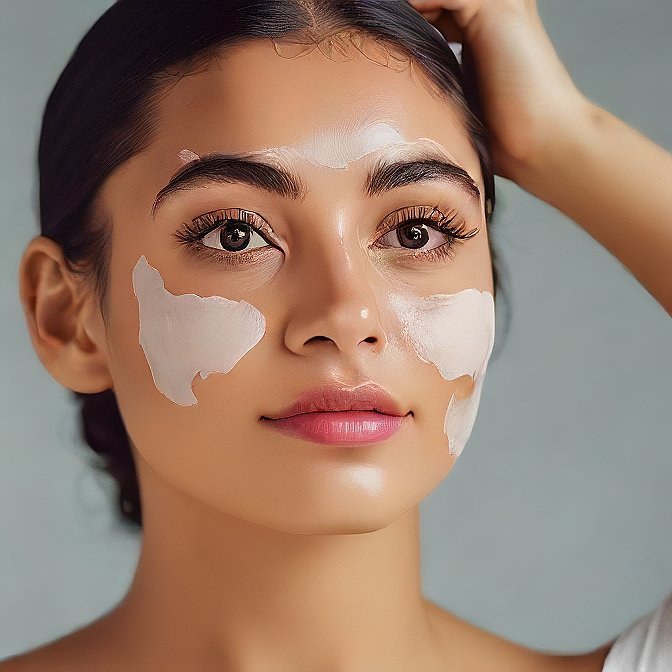
The present Cleanser Guide will guide you through everything you need to have in order to find a cleanser that (1) suits your skin type, (2) is the best fit for your skin issues, and (3) fits in your routine. Oily, dry, sensitive or prone to easily developing acne? It may be one or a combination of all of the above and these professional tips will make sure that you are making an informed decision.
What Is a Cleanser and Why Is It Important
A cleanser is a skin product used to clean the skin of dirt and oil, sweat, sunscreen, makeup and any other chemical that may be on the skin. It forms the basis of a good skincare routine since moisturized skin can more readily assimilate skincare products, such as serums and treatments.
There are not so many cleansers that do the same. There are those who are made to remove excess oil, deep into the skin and those that protect the skin barrier and avoid drying up. This is the reason why it is important to select the correct one. Your skin should be cleansed by using a cleanser that does not strip.
When your face is so clean that you have washed it, this is not necessarily good. In most instances, it can be that the cleanser is too severe and it is disrupting your skin barrier.
Know Before You Buy: Know Your Skin Type
What works as the finest cleanser for someone might not be your favorite. The initial step to this Cleanser Guide would be to recognize your skin type.
Oily Skin
Greasy skin tends to have a lot of sebum that is likely to cause shiny skin, plugged pores, and acne. Provided that this sounds familiar, find a cleanser that will strip the skin of excess oil, but will not over-dry it.
Combination Skin
The combination skin is oily on certain parts of the body, mostly on the forehead, nose and chin, and dry or normal on other parts of the skin. This type of skin responds well to both drying and non-residual balanced cleansers.
Tip #1: Find the Cleanser Formula that suits your skin type
Several types of cleansers have various applications. It is as important to select the appropriate formula as it is to select the appropriate list of ingredients.
- Gel Cleansers
- Gel cleansers can be an ideal addition to the acne-prone or oily skin as they are light to touch and they do not leave any buildup behind.
- Cream Cleansers
- The cream cleansers are perfect to use on dry or mature skin since it cleans and help to keep it moist.
- Foam Cleansers
- Foaming cleansers produce a rich lather and are thus commonly attractive to oily skin; nonetheless, some are drying. Always determine whether the formula is tender or not.
- Micellar Water
- The Micellar water can be used to cleanse skin or as a fast way to clean your face without having to abuse your makeup or sunscreen.
Check Out: Natural Skincare: 6 Important Pros and Cons You Must Know.
Tip #2: Become an Ingredient List Reading Pro
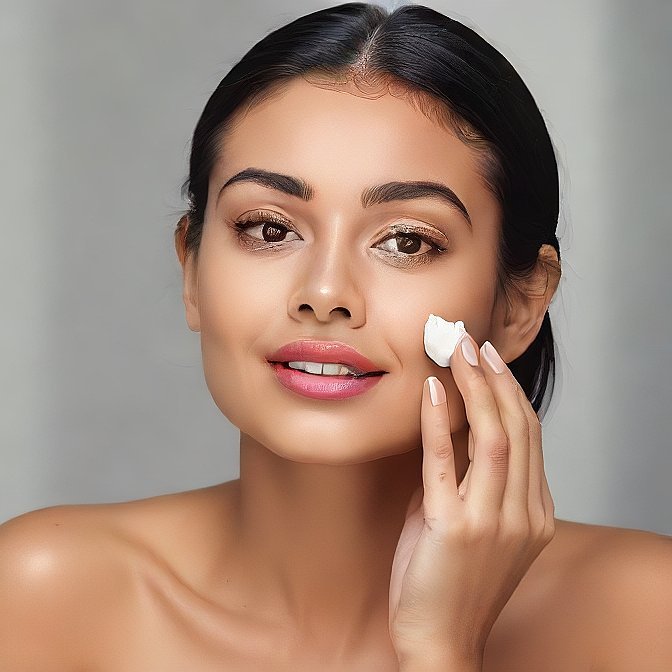
An effective Cleanser Guide can never be complete without ingredients. It is what is in the bottle that is more important than what is on the front in terms of marketing.
Helping Ingredients:
Find ingredients that are helpful to your skin, including:
- The Hydra brand uses hyaluronic acid to hydrate skin.
- Ceramides to support barriers.
Ingredients:
- Harsh sulfates
- Strong alcohols
- Heavy fragrance
- Excessive number of active ingredients.
A cleaner must not be in conflict with the skin, but rather should be compatible with it. When your skin stings, burns or tightens when cleansed, then the formula can be too harsh.
Tip #3: Select According to Your Skin Type
None of this matters unless you give consideration to skin type, though you should also have your concerns. As an illustration, two individuals with oily skin actually might be required to use various cleansers each, whether one of them is acne-prone and the other is simply shiny.
In case your primary aim is acne, then a salicylic acid wash could be a good option. A plain and scentless cleanser can have a better effect if redness is an issue. In the case of dry skin, a careful exfoliating cleanser can help to brighten on dull skin.
The aim is to align the cleanser to your desired skin problem that you wish to fix and yet remain gentle enough that they can use it on a daily basis.
Tip #4: Reflect on Your Environment and Lifestyle
The influence on your skin may depend on your environment. What happens to be a cleanser during a certain season or a natural condition cannot be applicable in the other season.
Residing in a humid environment where the weather is hot can lead to the production of more oil by the skin, and necessitate use of a cleanser able to maintain the levels at a moderate level. A cleanser that is more humidifying and moisturizing will be more appropriate during colder or drier seasons.
What is also relevant is your day to day life. You may use makeup or sunscreen, and need to cleanse your face on a daily basis, so a double cleansing routine might help you. It typically entails the application of an oil-based cleaner or micellar water and further on a regular water cleaner.
Tip #5: Neglect to Pay Due attention to pH Balance
The natural defense mechanism of the skin is healthy as well and pH contributes to maintaining a normal level of defense. An alkaline cleanser may have an adverse effect on the skin by disrupting this barrier, predisposing the skin to dryness, irritation, and sensitivity.
A buffer cleanser would be useful in cleaning the skin and it would not put undue stress on the skin. This is particularly essential in the case of having dry, sensitive or reactive skin.
With excessively harsh cleansers, you could find:
- Tightness after washing
- Increased redness
- Flaking
- Trying to heal itself your skin produces more oil.
Low-pH cleansers are generally a good long-term option.
Tip #6: Mind Texture and Dailies-feel
A cleanser is required to be effective. It must also be comfortable such that you will truly use it on a regular basis.
Others would prefer a light gel that can be rinsed away. Others, such as the whiteness of a cream cleanser. The greatest cleanser should be one that is a routine, pleasant to your skin and leaves your face in a comfortable state after skin washing.
You cannot stand the feel, smell or paint of a product, lest you will tend to stay longer. It is a question of consistency in the skincare, and comfort is a question.
When switching to a new server, it is good to always test the patch before completely switching. Even the most attractive-looking cleanser may result in a response. This is why patch testing is an intelligent concluding measure of this Cleanser Guide.
A patch test will not ensure any product is perfect on your skin yet this could help in minimizing the chances of the product causing a larger reaction.
Mistakes to watch out for when using Cleanser
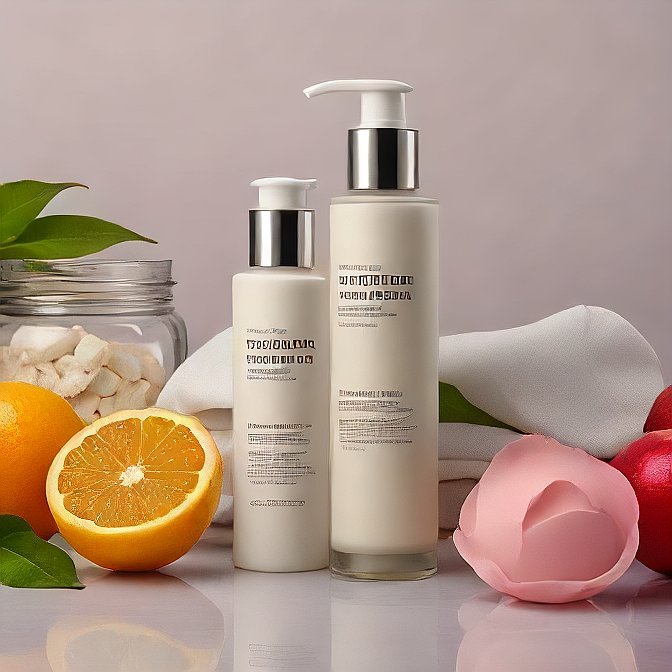
Numerous skin problems are not caused by the selection of the cleanser, but by the wrong usage of the cleanser. Over-cleansing is one of such errors. Excessive washing of your face may dry your skin and instigate irritation or oil production.
The other welding error is that of water being too hot. The skin barrier may weaken with the help of hot water and exacerbate the situation of dryness.
How to Make a Basic Cleaning Routine
A cleansing agent is not effective when used alone but as a procedure. Some individuals do not even need to sink their hands into the warm water in the morning and those whose skin is dry or sensitive.
Cleansing should be followed by a moisturizer that will assist in keeping the skin hydrated and aid the skin barrier. In case you apply their treatment products such as serums or actives, cleansing helps in preparing the skin to be efficient in the application of those products.
Conclusion
The correct and right cleanser ought to make your skin feel clean, comfortable and balanced. It improves to match your type of skin; it also helps to support your skin issues and make it a part of your daily routine without being irritated.
In fact, this Cleanser Guide is not really like that: simply find a cleanser that is not opposed to your skin, but cooperates with it. Once you do so, the rest of your skincare regimen stands a far greater probability of success as well.
For more info: Click Here.
FAQs
1. How frequently is my face to be cleansed?
The majority of individuals dress up and bathe either once or twice a day, depending on the type of skin and way of life. Overabundance of using a lot of water may lead to irritation, at least on dry skin.
2. Does that mean I can use the same cleaner throughout the year?
You can, though it is a change of places that many of us feel their skin requires. A summer is better suited to a lighter cleanser, whereas a winter feels a lot more comfortable in a more moisturizing cleanser.
3. Does a costly cleanser necessarily cost more?
Not necessarily. An increase in price does not necessarily imply an improvement in results. Quality ingredients, formula, or skin compatibility is much more important than mere price.