

Table of Contents
Introduction
Your skin is not going to be the same all year round – then why can you claim the same thing about the skincare? Embracing seasonal changes, temperatures, humidity levels, and environmental conditions also vary, and thanks to this factor, the way your skin will appear and feel all change. What works miraculously in summer may make your skin dry in winter, and feel too heavy in the wet months.

Overlooking these changes of the seasons can result in such regular problems as breakouts, dryness, irritability, or dullness. It’s not necessarily products but the fact that you are not altering your routine because your skin is altering.
The good news is that you need not necessarily make the task of changing your routine a complicated one. Nobody said that some ingenious modifications won’t allow you to balance, keep your skin shiny and healthy all year long. To switch your routine without any effort but leave your skin with everything it needs in the year, this seasonal skincare guide will show you the easiest (but not the least) tips and tricks to switch your skincare.
Why Your Skin Needs Seasonal Adjustments
Any part of your skin is reacting to the world around you and seasonal flux is an aspect of its action, a big part. Temperature, humidity and even air quality may directly influence the balance of your skin. To illustrate this, in times of hot and humid weather, the oil is normally produced more when in cold and dry times, the oil can be removed leaving your skin dry and exposed.
This varies according to the requirements of your skin. What suited you and left your skin clean and moist one season may not suit you next year. This neglect of such changes can lead to such typical issues as breakouts, dryness or irritation.
Changing the skincare based on seasons will have your skin well balanced, protected, and healthy. It is not the issue of a wholesome substitution of the products but an issue of adequate re-proportions, that ought to be in line with the requirements of your skin today.
Sign #1 Your Skincare Routine Needs a Seasonal Switch
You might believe that when it is time to renew your routine your skin is saying everything to your mind- you simply need to hear it. One of the most appropriate indicators of a change is a sudden behavior change, such as when you suddenly have an outburst or face unexplained dryness, despite not adding new products.
You may also experience tightness, flakiness, on the reverse side, too much oiliness when it was not previously. The transformations normally signify that your present products are no longer appropriate in the climate conditions.
Other warning signs are dullness and irritation. When your face is perspiring or you are more sensitive than usual with your skin, then this seems to be a measure that the skin cannot adapt to change as rapidly as it ought to. With these symptoms known early enough, you can take small steps prior to their escalation into a larger issue in the skin.
Way #1 – Swap Your Cleanser According to the Weather
This can happen by washing your face; it is the most vital part of your skin care regime and therefore a change in the frequency of change according to the time of the year can make a difference. During warmer temperatures, gel cleansers will also be effective since they help in keeping away excessive oil, as well as leave your skin without any sense of weight.
Cream cleansers or hydrating cleansers would be right during the winter months. They are also soft washers without drying up your skin and irritating it.
Regardless of the season it is better to keep away from strict formulas that take away natural oils. This may interfere with your skin barrier and cause more problems than solutions. Apply gentle, neutral cleaners that help feed the skin particularly when the skin is more sensitive to the change of the seasons other seasons of the year.
Way #2 – Adjust Your Moisturizer Texture

You ought to alternate your moisturizer as much as you change your clothes depending on the weather conditions. During hotter or humid days, thick creams are suffocating and can cause clogging of pores thus resulting in breakouts. Here, lightweight lotions with or without gel moisturizers will be suitable, as they will not add additional oil and moisture to your skin, they will simply moisturize it.
The cold is more likely to take away the moisture in your skin. Plump-bodied creams will substitute your replenished water, and improve your skin’s moisture, you will not suffer dryness and scaly.
Another good thing to do is hydration layering as and when required- first being a hydrating serum and layering it with a moisturizer. This versatile solution maintains the skin at the right level of moisture, in any season.
Check Out: Skincare for Athletes: 7 Powerful Pre- and Post-Workout Tips for Clear Skin.
Way #3 – Rethink Your Exfoliation Routine
The number of times you exfoliate your skin is important in maintaining smoothness and clarity, but should not be a constant all year round. Certain months of the year are oily/humid and your skin can consequently generate more sebum to release onto your skin. Your skin is oily therefore it is good to create a little more exfoliation every couple of days to get rid of congested pores and breakouts due to oversaturated sebum.
Your skin becomes a bit more sensitive when it is colder or drier, and it is likely to become dry. The surplus exfoliation during this stage can lead to damage to your skin barrier and skin irritation. The reduction of the frequency will help in keeping balance and rescue your skin.
Way #4 – Upgrade Your Sunscreen Game Year-Round
Sunscreen is not merely a need during summer but year-long too. UV rays are unhealthy and may age the skin causing premature leaving it dry, pigmentation and other skin damages that occur in all seasons (even in cloudy seasons or cold days).
The other consideration you ought to make is your daily environment. You must be covered by lightweight protection even in stay indoors situations such as in front of screens or by the window. On the outdoors, apply high amounts of SPF and continually apply to cover the skin.
Way #5 – Introduce Seasonal Targeted Treatments
As your needs of changing skin, so should the treatments. Seasonal skincare is motivated by the notion to deliver what your skin needs and when it needs it. In dry seasons or during winter, hydrating serums can be used to restore the moisture lost and make your skin plump by using certain ingredients such as hyaluronic acid.
In case it is the summer season and the oil production is more vigorous, employ the treatments that would focus more on sebum control and the avoidance of breakouts. Some of its ingredients like niacinamide and salicylic acid would be quite useful in keeping skin clear and balanced.
Antioxidants will come in handy all year round, but do not forget to purchase them. They also help to protect your skin against the seasons such as pollution and UV rays, therefore, serve as a great addition to your seasonal skincare.
Way #6 – Don’t Ignore Your Diet and Hydration
Beautiful skin is not just something that you dress in but is also something that you put food in. Seasonal factors are likely to take a toll on your eating and drinking behavior and reflect in your skin.
When the weather is colder, people end up drinking even less water, therefore, getting dehydrated and creating skin that is not shiny or has a smooth surface. In hot weather you would sweat more and thus require more water so as to maintain your body at par.
The internally treated skin involves consumption of fruits and vegetables that are in season and contain vitamins and antioxidants. These vitamins work against inflammation, increase collagen synthesis, as well as maintaining the skin to look healthy and radiant all year round.
Way #7 – Listen to Your Skin
It is simple to be influenced by what is trending, with so many skincare trends being propagated throughout the Internet. What will work with another person, however, might not work with you- particularly, where seasonal considerations enter the picture.
The unique needs of your skin are constantly conveyed via its texture, oiliness, sensitivity or breakouts. These indicators are much more essential to consider than to focus on viral routines or product suggestions.
The individualization of your skincare products will always be more efficient based on the type of skin, the lifestyle and the climate. Seasonal skincare is personal, and the most suitable thing to do is to educate about your individual skin.
Common Seasonal Skincare Mistakes to Avoid
The final error happens to be one of the most common as individuals tend to use the same skincare products all year round. The needs of your skin change, and, unless you make changes or shifts in your routine, you can expect some disengagement and cycles of the same issues.
Another one flop is the release of too many new products simultaneously at the season change. This may saturate your skin and leave it hard to ascertain what is actually being effective or irritating.
The second misperception is that during winter everyone does not apply sunscreen because he or she believes that they do not need it and during overwhelming moist people should not apply moisturizer because they will feel greasy.
Easy Seasonal Skincare Routine Guide
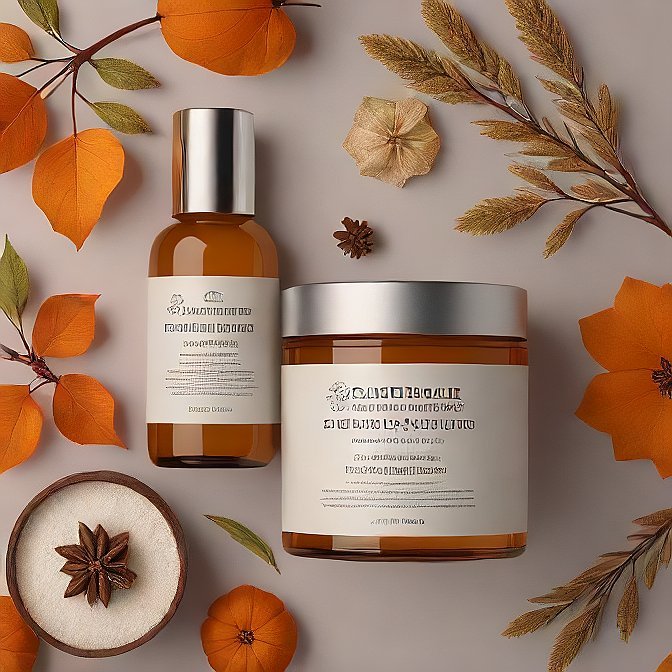
There is no need to complicate your skincare. The important thing is to streamline the process depending on the way your skin will react to the different weather. These slight alterations in the type of product and concentration will aid in year-long healthy skin maintenance.
Summer Routine
The heat and humidity occur in summer and heat stimulates the production of oil and light skincare should be used. Emphasis on oil-control products that do not clog pores of the skin. A simple routine consists of a gel cleanser, water moisturizer and a wide-spectrum SPF. This is done to prevent over shine and make sure that your skin is not spoilt by UV rays.
Winter Routine
Cold weather may dry your skin and dehydrate it leaving it without moisture so always remember to drink and seal the barriers. Swap with balancing cleansers, increased hydrating moisturizers and more replenishing serums that might assist to keep the moisture in. It should be gentle; we should not overexfoliate our skin, but instead work towards healing the normal barrier that we have on our skin.
Monsoon Routine
The weather in the monsoons is quite humid and as such it makes the skin sticky, blocked up pores and breakouts. Use oil-controlling and antibacterial products that will leave your skin balanced and clean. Heavy cream which could be oily during wet weather, is not required either.
Conclusion
Overall, being healthy with your skin does not refer to using the same product all year round but changing it. Different issues come with each season and your skin also varies with the season.
With some simple, careful consideration, such as changing textures, altering treatments, and listening to your skin you can keep it in balance and prevent the more typical seasonal problems with the skin. Flexibility is equally as significant as consistency, but you should stick to a routine that will work with your skin.
After all, seasonal skincare is all about knowing your skin and providing it with the necessary consideration at the appropriate time. In this fashion, you achieve a glowing and healthy skin not only as an end goal but as a season-long goal as well.
For more info: Click Here.
FAQs
How often do I change my skincare routine?
You need not change your entire routine so frequently. Instead, alter it in small increments down or up in few intervals every several months as the weather changes, and how your skin is responding.
What would be the skincare regimen of choice?
The most suitable is a loose lifestyle: a soft soap, an adequate moisturizer, wearing of sunscreens every day, and masterful treatment, which might be altered depending on the peculiarities of the skin in the season.
Seasonally, does acne or does it dry out?
Yes, acne and dryness may be instigated by changes of seasons. Oil and breakouts are more likely to happen because of humidity, whereas dehydration and flakiness are brought about by cold weather.