
Table of Contents
Introduction
No longer is it all about numbers when it comes to the best sunscreens. Nowadays, individuals desire something that has more than UV protection. They desire lightweight sunscreens which can be easily worn under make-up, apply on various types of skin and most of all, never leave a white cast behind.

That is important as sunscreen is one of the most essential steps of any skin care. It helps to minimize the chances of sun damage, applying too much aging, and uneven tones, and skin concerns in the long run. However, once a sunscreen is greasy, in pills under your makeup or causes your skin to appear gray or ashy, then most likely you will not use it routinely.
The positive thing is that new sunscreen blends have evolved. Your skin, be it oily, dry or sensitive or even richer, now have great choices, some of which will blend perfectly in order to protect your skin. We divide up what makes a white cast, how to select the appropriate formula and the kinds of best sunscreens to seek below should you desire a high level of protection without the undesired texture.
Why Choosing the Right Sunscreen Matters More Than Ever
The idea of sunscreen as a product is generally associated with the beach day, so you should make it a part of your everyday. UV exposure occurs on cloudy days, during brief walks and windows. With time, such exposure may add to apparent aging, darkening of spots, irregular texture and damage of skin.
Helping can be done with the help of one of the best sunscreens:
- Keep your skin out of the harmful UV rays.
- Lessen the development of dark spots in sun.
- Facilitate a more smooth, firmly glowing skin.
- Assist in avoiding early fine lines and wrinkles.
- Make your skin care routine effective and balanced.
A sunscreen that you like wearing is the one that you tend to reapply more. This is why the texture, the finish and the blendability are as important as the SPF itself.
What Causes the White Cast in Sunscreens?
White cast is approximately visible when the ingredients of sunscreen lie on the skin rather than merge in the skin. This is particularly of concern in certain mineral compositions which involve the incorporation of zinc oxide or titanium dioxide to create a physical barrier which is reflective to the UV rays.
That does not imply that mineral sunscreens are not good. However, there are many that are great. However, they may have a visible residue, particularly on deep-coloured skin, or when overused.
A white cast can be related to a number of factors:
- Large amounts of mineral UV filters.
- Thick or pasty bogs.
- Poorly dispersed ingredients
- Excessive application, which is not blended.
- Recipes that are not intended to be darker in pigmentation.
The most successful contemporary formula is minimizing it by micronizing the particles, staining the bases, or glamorous textures, which grow into the skin.
Best Sunscreens for Your Skin
The most comfortable sunscreen that we have on our skin is the one that offers protection and is comfortable to put on daily. The type of skin is a significant factor in the formula performance.
Sensitive Skin: Soft and Smell-Free
Simple formulas that exclude harsh fragrance, drying alcohols and extraneous details tend to work best with sensitive skin. Good choices of sunscreens include mineral or hybrid sunscreens that are well formulated, and non-irritating.
Balancing and Flexible Skin: Combination skin
Combination skin requires something to incorporate: not too heavy, not too drying and not too matte. Find a sunscreen that is easy to absorb and it has smooth flow without highlighting the dry spots and inadequate shiny look.
7 Best Sunscreens That Don’t Leave a White Cast
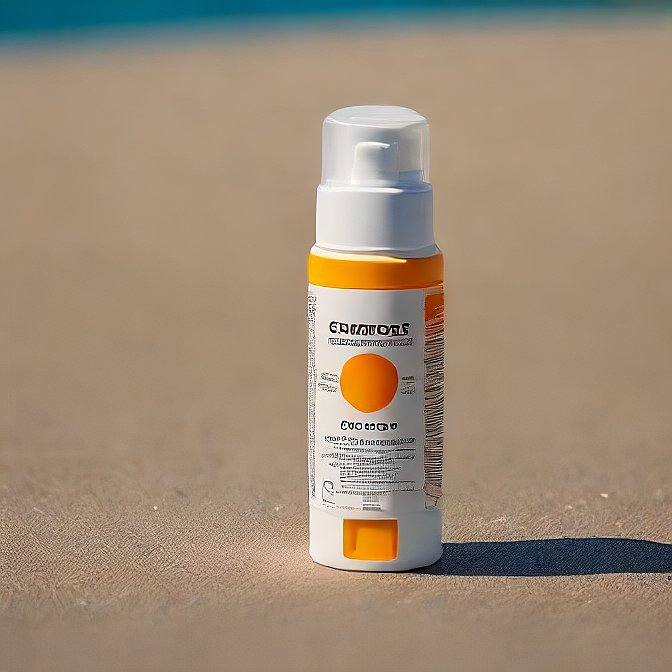
Rather than concentrating on brand names, it is good to get to know the ideal sunscreen formulae depending on the needs. The seven categories comprise the most efficient and convenient options that can be used today.
1. The most perfect Sunscreen to use all day Invisible Protection
The ideal universal sunscreen is the one in which you will not have to think about wearing daily. It is supposed to be lightweight, mix readily and not leave any trace on the skin.
Such a formula is the best to use when you desire:
- Smooth application
- A natural finish
- Wells with skincare and cosmetics.
- Daily UV protection that is sure.
A very good all-day sunscreen is suitable in most skin types, and is a convenient last step to include in the morning.
2. Best Sunscreen to keep skin oily and all shiny
The oily skin normally requires a sunscreen that avoids the additional greasy effect. Gel, fluid and oil-free formulas with a matte or soft-satiny finish are the best choices.
These formulas can be particularly handy as they:
- Seem to touch airless.
- Assistance to decrease midday shine.
- Make well underneath make-up.
- Do not have greasy residue.
Individuals who detest thick textures can make this kind of sunscreen transform their regularity when it comes to wearing sun protection.
Check Out: Clear Skin Products: 5 Holy-Grail Picks That Actually Work Fast.
3. Sunscreen that is the Best at Hydrating With a Dry Skin that is Good
Unless your skin is generally soft, roughness can make a huge difference; a moisturizing sunscreen can be extremely helpful. They are derived to safeguard and at the same time allow your skin to be smooth and comfortable.
Outsourcing to find products such as:
- Hyaluronic acid
- Glycerin
- Squalane
- Ceramides
- Aloe or panthenol
The skin must not appear scaly and an excellent hydrating sunscreen should see the skin appear tender, not parched. It must also be able to comfortably rest under foundation without sticking to dry areas.
4. Best Sunscreen, sensitive
Sensitive skin is sensitive to perfume, powerful actives or excessively rich formulas. This is the reason why the most suitable one is often a creamy sunscreen that has a short, considerate composition of its ingredients.
A sunscreen with a sensitive skin ought to:
- Be fragrance-free
- Be gentle, instead of tingly.
- Wear UV filters that are well tolerated.
- Maximize avoidance of irritation of the eyes and cheeks.
Such a formula would allow individuals who have reactionary skin to remain unharmed and have no redness.
5. Clearcut Best Tinted Sunscreen to give you a natural look on your skin
One of the simplest options of not having a white cast is by using tinted sunscreens. They do not leave a pale residue, but instead give a sheer tint which flows even more easily into the skin.
They come in particularly handy to:
- Evening out the skin of color.
- Lightening of brownish skin under-eyes and anywhere on the body.
- Substituting light foundation on light make-up days.
- Leaving the skin with a smoother look.
An effectively manufactured coloured Sunscreen can be one of the most convenient items in your collection provided you desire protection and light touch of colour.
6. Dark Skin: Best Sunscreen
A fact that has been one of the greatest complaints of sunscreen is that it turns gray, purple or ashen on darker skin. The darkest skin tones have the best formulas in order to fade as soon as it has been applied.
The best choices typically:
- Apply contemporary filters, which are smooth to touch.
- Add coloured or uncoloured finishes.
- Mix freely without scooping, or splashes.
- Eschew the chalky appearance many traditional formulas depart.
An effective sunscreen to use on deeper-skinned individuals must not change your skin-colour.
7. Excellent Outdoor Sports and Long Wear Sunscreen
In case you are outside most of your time, a sunscreen that will stick where it is applied will be required. Waterproof and long-wearing formulas are designed to withstand heat, sweat and movement as compared to regular everyday sunscreens.
They can be applied to:
- Workouts
- Beach days
- Outdoor sports
- Prolonged commutes or travelling.
The ideal sports sunscreen must be tough, comfortable as well as durable so that it can withstand long periods of use. Even at the time, reapplication is very critical.
How to Apply Sunscreen in Right way
No matter how good your sunscreens are; they will not work efficiently when they are put on too light, or when they lack evenness. Major difference between wearing a proper application of your skin protection and not doing it can be very important.
A basic routine can be such as:
- Cleanse your face
- Re-apply as necessary during the day.
The two finger rule to face and neck is handy, but you will have to bear in mind that you will need more or less depending on the product and area to be covered. The trick is to apply enough to cover the entire area without leaving any areas uncovered like at the hairline, ears and jawline.
To achieve the best results there is a one-minute or two-minute waiting period of any sunscreen before applying makeup. This aids in minimizing piling, as well as make everything easier to layer with.
Common Sunscreen Mistakes That Reduce Effectiveness

A lot of people use sunscreen but not necessarily in such a manner that gives them maximum protection. These are some of the pitfalls to avoid:
- Using Too Little
- A thin layer might not attain the protection indicated on the label. Apply a convenient amount of product to form a thin layer.
- Skipping Reapplication
- During the day, sunscreen is eroded. When you are out of doors, or perspiring, or often in the sun, repercussion is important.
- Using Makeup on its own
- SPF foundations and powders may help a bit, but not enough by itself to be used completely.
- Forgetting Often-Missed Areas
- The tops of the feet can also be exposed to the sun, along with the neck, ears and hands, and so on.
- Wearing a Formula You Hate
- Unless you really feel good about your sunscreen, or it looks good or even does not conflict with your routine, chances are high that you will never put them on regularly.
Mineral vs Chemical Sunscreens
The mineral sunscreens are more superficial to the skin and are usually zinc oxide or titanium dioxide. They are also an excellent option when using on delicate skin, although certain formulas can have white residue.
Chemical sunscreens reflect UV rays, and can be more light colored and require less makeup. Most of the most effective sunscreens which do not leave white cast contain chemical or hybrid formulas.
Everyone does not have one winner. The correct option is the one that suits your skin type, your lifestyle and the comfort level.
Conclusion
SPF is not the end that should be sought during the quest to determine the best sunscreens. A good sunscreen prevents sunburn, fits your lifestyle and does not have a white cast. It can be more easily used as an everyday item that is all your skin really requires.
You require a matte formula with an oily skin, hydrating formula with dry skin, a sunscreen with a tint with darker skin tones or a long-wear formula on outdoor activities, there has to be a great solution to it. The option which offers maximum security and is comfortable enough to be incorporated into your daily routine and use is the best option.
Sunscreen is a must even in the long run in order to make your skin healthy and shiny. One of the most intelligent and easy to make skincare choices that you can make involves choosing one of the best sunscreens to wear concerning your skin type.
For more info: Click Here.
FAQs
1. Does the sunscreens actually cast the skin on all skin types?
No. Numerous contemporary equations are configured to mix intangibly. Colored and sheer formulas come in particularly useful to prevent a visible residue.
2. Will sunscreen under makeup not pill?
Yes, provided you apply the correct quantity, leave it to soak and are sure to select a formula that blends well with your products.
Nice!!..
Thanks!!