Table of Contents
Introduction
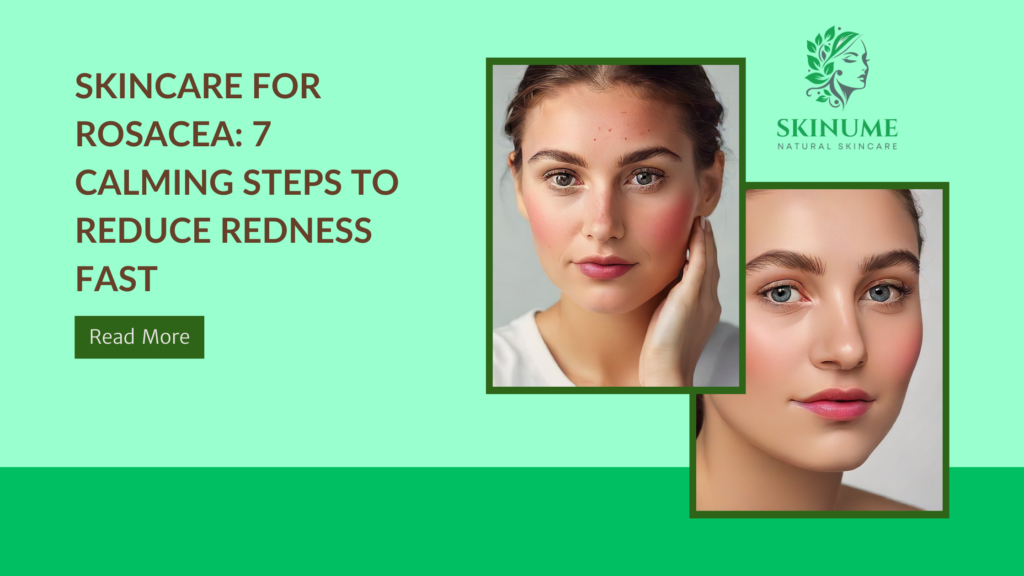
Rosacea is a persistent condition of the skin mainly on the face and is commonly present in the form of persistent redness, apparent blood vessels, flushing, and extreme sensitivity. To most individuals, it might also be accompanied by bumps or pain that seem to be akin to acne, thus making it even harder to take care of. In comparison with the temporary redness, rosacea is chronic and prone to exacerbation in the presence of some triggers in the form of exposure of the skin.
The problem with rosacea has the effect that its skin barrier has a high sensitivity and vulnerability than usual. It implies that even basic skincare products, particularly those ones that include harsh ingredients, may be capable of irritating and exacerbating the redness within no time at all. Even excessive sensitivity and flare-ups can be caused by even such over-cleaning, over-exfoliation or scented products.
Because of this, rosacea care needs to focus on deflating swelling, strengthening of the skin barrier and prevention of substances that often trigger rosacea. It does not target to over-treat the skin but rather support the skin with a regular, soft treatment which will help the skin to become less inflamed in the long-term and avoid a breakout in the future.
In this guide, you will get to know seven soothing, effective steps that will help to reduce the redness in the least time, but it will also help you to develop a healthier and stronger skin barrier in the long run.
Learning about Rosacea: What is Going on under the Red
Rosacea is also caused by chronic inflammation that is chronic and is found in the small blood vessels of the face. Once these vessels are disturbed beyond normal, the vessels become excessively ready, resulting in continued redness, flushing and a cold or burning feeling. In the long-term, this responsiveness may be more pronounced, particularly when the skin barrier is compromised or when repeatedly exposed to triggers.
There are triggers that are dependent on each individual; however, there are some that are well-known. These are heat or rapid change of temperature, emotional stress, hot foods, alcohol, and even some skincare products. In case the skin is subjected to these factors, the body might overreact, developing visible redness and discomfort, which can last a few hours or even several days.
Rosacea can also be of many forms and understanding about it will help decide on the right skincare approach to rosacea:
- Erythematotelangiectatic rosaceas: Erythema and telangorhea.
- Phymatous rosacea: An increase in the skin, and more often beneath the nose (infrequent).
- Ocular rosacea: Eyes are redd and irritable.
Whatever these differences, a shared commonality exists; a compromised skin barrier. The weak barrier makes the skin drier and it is vulnerable to external factors. Therefore, recovery of barriers is an extremely important aspect of the management of rosacea and reduction of exacerbation during time.
Step 1: Start with Ultra-Mellow Cleaning Process
Helping to maintain natural oils, strengthen the barrier, and activate additional redness, harsh cleansers can deprive the already sensitive skin of natural oils and damage them. It is aimed at cleansing but without disturbing the protective layer of the skin.
Washing up should be made easy and routine:
- Wash twice or thrice or as the skin is tender.
- Wedge rinse in order to dry up and leave more.
- Remember always to avoid putting in hot water, as it will make the redness worse.
Technique also matters. Rather than scrubbing the cleanser, rub it on the skin gently with dull fingertips and rinse but it is necessary to avoid rubbing (Not 2017). Wipe or soft towel dry off the skin.
Step 2: Rehydrate skin and apply anti inflammatory products
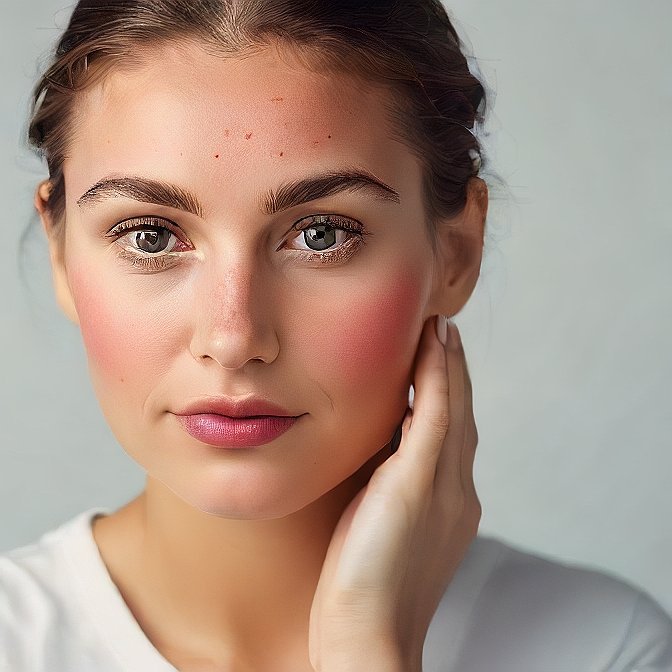
The ingredient that can soothe the redness and actively de-inflame works best on rosacea amongst the best skin care techniques. These ingredients assist in controlling the immune system of the skin and enhancing its tolerance in the long run.
One of the most studied ones is niacinamide. It alleviates redness, enhances barrier activity and has general skin resiliency. Azelaic acid is another potent ingredient and is usually prescribed in the treatment of rosacea as it has the capability of not only reducing inflammation but also enhancing the skin texture of uneven skin.
Alongside them, it can have plant-based soothing agents, as well:
- Green tea extract: Has antioxidants that are rich and calming to irritation.
- Licorice root: Assists in lessening redness on the skin and lightening skin color.
- Centella asiatica: Promotes skin barrier and healing.
In adding active ingredients, one should take things slowly. Begin with lower concentrations and slowly apply them and increase frequency a few times a week. This assists the skin in adapting without causing unnecessary exacerbations.
Step 3: Hydrate Deeply Non-irritating to the Skin
The issue of hydration contributes significantly to the treatment of rosacea since this condition is usually associated with a weak, dehydrated skin barrier. The dry skin is more reactive and tends to turn red.
The heavy or occlusive moisturizers or lightweight moisturizers may be preferable depending on the skin requirements of the person. The trick is selecting formulas that hydrate the skin, without stuffing the pores or making the skin feel greasy.
Frequent hydration is also beneficial in averting a flare-up since this keeps a consistent skin barrier. With the hydrated skin, it will not be sensitive to changes in the surroundings or your internal triggers and thus day-to-day slathering of the skin will be a daily procedure to your skincare when having rosacea.
Step 4: Skin Barrier: Everyday Moisturizer
Hydra IQ is not only related to the issue of whether the skin barrier is hydrated or not but the issue of whether the skin barrier is protected and strong. The defected wall on the skin which is susceptible to rosacea aids the influx of irritants thereby supporting sensitivity, and redness.
To make sure that such responses are not substantial, it can be implemented with the help of applying a good moisturizer that creates a protective layer on the skin and trapping of moisture. This will in the long term work to relieve the pain that the skin is undergoing and cool the flare up.
Layering also matters. When applying hydrating serums one must remember to moisturize so as to add water level on the skin. Instituting a thin layer in the morning, and evening, can bring great benefit to the stability of the skin, as well as take away part of the instances of sensitivity.
Check Out: Moisturizers: Top 5 Dermatologist-Recommended Picks for Healthy Skin.
Step 5: Sun Protection Is a Must for Rosacea
One of the most widespread factors causing the occurrence of rosacea exacerbations is sun exposure. UV radiation may cause an inflammatory reaction as well as a degradation of the skin barrier and result in long-term redness.
Mineral sunscreens containing zinc oxide/titanium dioxide might be the least problematic as it is visible on the skin, and can reflect UV rays rather than absorb them. These tend not to be so irritating to sensitive skin as some chemical filters.
For effective protection:
- Use sunscreen on foggy days or inside a home where there are windows.
- Redo at intervals of 2 hours, when outdoors.
Regular use of sun protection is as much a preventative measure against flare-ups as it helps keep skin long-term healthy, with less general inflammation and sensitivity.
Step 6: Find and Eliminate Rosacea Triggers
Some of the most common are environmental triggers. These are heat, fluctuations in temperature, dense wind, and cold temperatures. Hot showers, steaming or even rushing between hot and cold air or water, can result in an expansion of blood vessels and cause flushing.
Food and drink may also be a factor. Flare-ups are observed by many people following the intake of spicy food, alcohol or hot drinks. Though triggers are similar for different individuals, a major factor is personal sensitivities, which are important to detect to control them better.
Another factor is the ingredients of skincare. Skin that is susceptible to rosacea can be irritated by a product that contains alcohol, fragrance, menthol or strong exfoliating acids and aggravates redness. You had better use soft, barrier-protective formulas created for sensitive skin.
It can be particularly helpful to keep a trigger diary. Following flare-ups, and food, weather and product use allow you to realize trends and prevent certain triggers more efficiently with time.
Step 7: Make Your Routine Simple to Long-Term Calm Skin
In skincare to work with rosacea there are times when all you need to do is simple. This is typically paired with a light-night cleanser, a soothing factor, a daily sunscreen and moisturizer. Small doses of narrow selection of well-tolerated drugs are greatly appreciated rather than having to alternate or overlap many active ingredients.
An overload of the product and particularly their overuse with too many actives such as acids, retinoids or strong brightener agents may challenge the skin barrier and cause further increases in flare-ups. Rather, make an effort to use calming and hydrating ingredients, but to ensure skin stability in the long-term.
Less really is more in skincare for rosacea. A basic routine minimizes the chances of being irritated but gives the skin time to heal and naturalise itself.
What NOT to do to Rosacea-prone skin
It is also essential to avoid bad habits as well as adhere to the proper steps of skincare. Some behaviors may greatly exacerbate the symptoms of rosacea and develop more chronic redness.
Among the most frequent is over-exfoliating, or scrubbing up the skin. Vigorous scrubs and regular exfoliation may destroy the skin barrier and make the skin more sensitive. Equally, very extreme benzoyl peroxide or violent spot texts are too irritating on the skin likely to get rosacea.
The other error is the one that neglects an initial reddening or flushing. These are the initial warning signs that the skin is giving you prior to becoming irritated, and the longer you remain exposed to triggers, the more serious the flare-up can be in the long term.
It is also not good to switch products that often. Skin will take time to adapt to new products and having different routines every time can deny you what really works with your skin.
Conclusion
Rosacea should not be treated as a quick fix; it should be a steady routine that helps improve the skin barrier and mitigate inflammation in the long term. The emphasis should ultimately be on redness calming, trigger avoidance, and supporting the innate defense system of skin using the appropriate skincare in rosacea.
Their gentle cleaning combined with calming, anti-inflammatory ingredients, hydration, daily sun protection and a streamlined routine gives your skin the best opportunity to remain in balance and reactive to a minimum level. Equally important, triggering recognition and avoiding harsh products may help to avoid unjustified flare-ups.
By perseverance and regularity, the skin affected by rosacea may become much more visibly smooth, comfortable and strong. The march can be slow, however, consistent attention can result in permanent growth.
For more info: Click Here.
FAQs
1. Will skincare get rid of rosacea?
Rosacea is chronic differentiation on the skin hence making the disease non-incurable. Nevertheless, when subjecting skin afflicted with rosacea to constant care and eliminating the cause of the condition, the symptoms of the latter, such as nervousness and flare-ups, can be highly mitigated, as well as the redness.
2. What are ingredients to avoid using in case I have rosacea?
And the ones which chance to have rosacea must not have alcohol, slimming perfume, menthol, eucalyptus and vulgar exfoliating acid. These substances may cause irritation to the skin and its redness and sensitivity.
3. How frequent am I to wash my face with rosacea?
It is sufficient to give most rosacea victims a mild, non-stripping skin cleanser which is optioned by washing once to twice a day. Further dilution risk loss of skin barrier and is likely to be more irritated, and skimpy, routine is better.