Table of Contents
Introduction
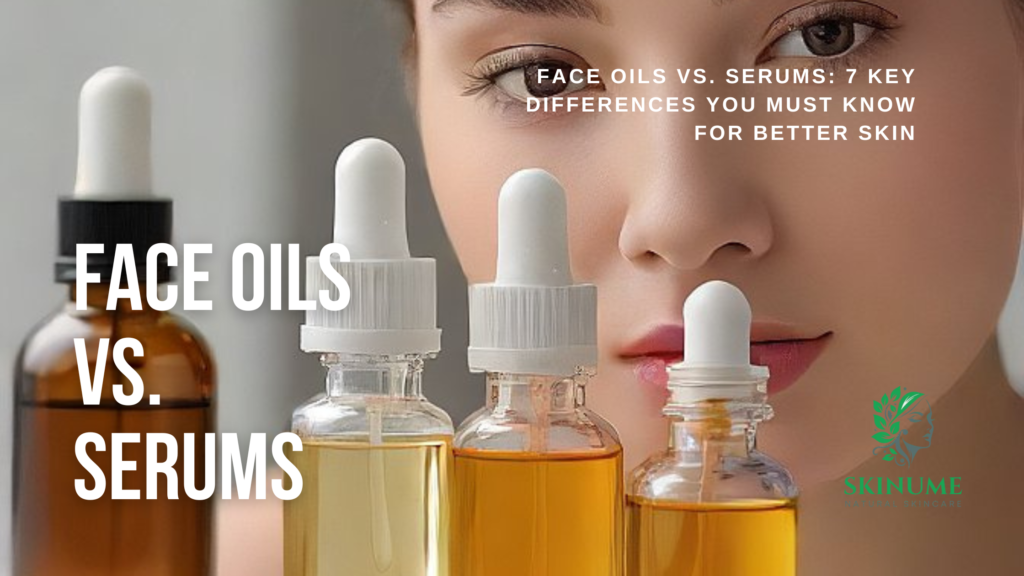
One of the issues is Face Oils and serums – a problem you might have encountered. Both face oils and serums are products that can enhance the appearance of your skin, but in dissimilar ways. When we choose the wrong product or incorrectly use it, it might not be effective which can cause confusion when choosing a product.
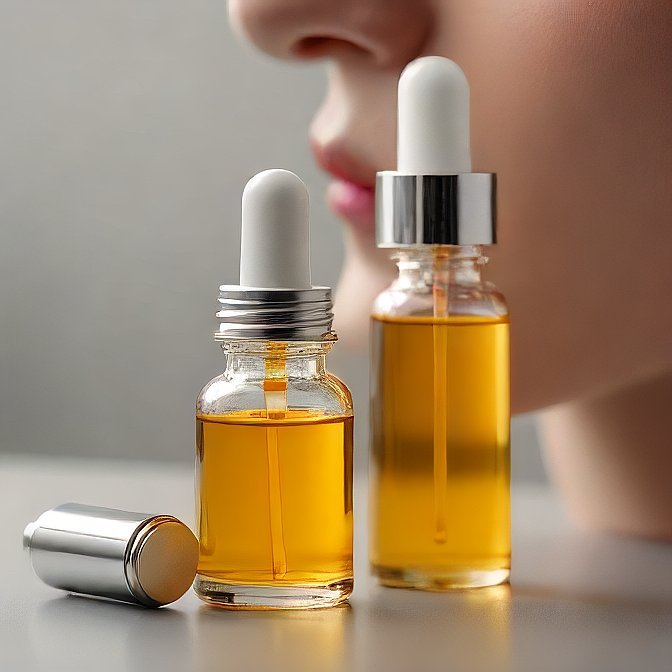
Interchangeably, it is worth noting that they cannot be used. To facilitate the absorption of active ingredients to the skin surface, serums are aimed to penetrate into the skin and face oils play a vital role in skin moisturising and protection. Based on this, it becomes simpler to create a skincare habit.
Here we’ll offer you the top 7 differences between Face Oils vs Serums, and the uses and power of each product, and determine when to use each in your daily routine.
Why Likening Face Oils vs Serums is Important
Introducing face oils and serums to your skincare routine elevates it, but also makes it trickier. Some confusion about the face oils vs serums may be because they are often considered the same as they are usually in small bottles, applied after removing cleanser. But they don’t have the same function and you need to choose the right one for you.
Understanding the properties of Face Oils vs. Serums and what they can do will help ensure you get the most benefits, which are hydration, clear skin, smooth and barrier-protective properties. They can also cause oily-looking skin, and even pimples and acne.
Knowing both of their primary uses will help you use these products to their full potential and save time and money on wasted time.
Difference 1 – Oil and Water’s Best Friend: Oil-Based or Water-Based
The most obvious difference between Face Oils and Serums is their formulations. Serums are lighter in texture, and are water-based and have the ability to penetrate the skin. They are designed to effectively deliver ingredients.
Face oils are oils and are formulated with fats, oils and oils. They are generally thicker and can be used on the skin.
This consequently leads to different applications. Serums have fast absorption and can be layered. This is because face oils create a more occlusive layer and stop water loss. This is a key to why and how they are used.
Difference 2 – The Effects on The Skin
Let’s examine what they do to get to the differences between Face Oils vs. Serums. Serums are treatment products. They can be absorbed to get the active ingredients into the skin to achieve a particular result (such as to lift dullness, reduce fine lines and wrinkles, reduce dark spots or dry skin).
Face oils are more protective. They may help seal in moisture, stop water from leaving the skin and even enhance the skin barrier. These are more emollient and will moisturise the skin and lock in the moisture.
Which is why you’ll see serums applied in the first part of your skincare routine and face oils applied later. It’s not all or nothing; they are different.
Difference 3 – Benefits for skin types
Of the Face Oils vs. Serums, it is all about your skin type. You might just want to pick a Serum that will treat your skin without being overly vigorous, if you have oily or acne-prone skin or combination skin. They should have serums of niacinamide or hyaluronic acid.
You may desire to apply a face oil to dry, flaky or uncomfortable, thirsty skin. They can be employed to repair the integrity of the outer skin barrier or more durable softness.
You can actually apply oils to sensitive skin provided that you select the right one. There should be a minimum of ingredients in products. but what is the better, as opposed to the other, by which means is it better in the case of the skin problem which I have?
Check Out: Hormonal Acne: 7 Proven Natural Tips to Control Stubborn Breakouts.
Difference 4 – Ingredients and Actives
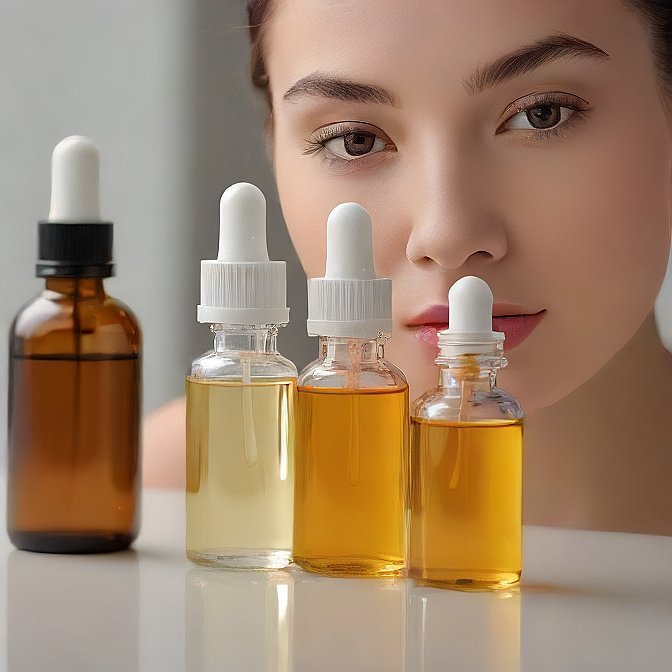
One more critical difference between Face Oils vs. Serums is their ingredients. Active ingredients such as retinol, vitamin C, hyaluronic acid (HA), peptides or niacinamide can be seen in serums. One can select these to cope with the aging skin, pigmentation or acne.
Plant oils and fats (lipids) that are often found in oils to moisturise the face are, jojoba oil, rosehip oil, squalane, argan oil or marula oil. And they can fit in antioxidants, which can protect against the environment.
Serums, as a rule, are medicinal (healing) and face oils are moisturising. Serums will assist in maturing your skin or skin texture, oils will assist in the moisture and softness of your skin. This is why they are the most appropriate products to go together.
Difference 5 – Texture/absorption/feel
It is a substitute of Face Oils vs. Serums differentiation. Serums are thin, light and easily absorbent. They are to be absorbed swiftly via the skin, and not to interact with other products, e.g. moisturisers and sunscreens.
Face oil feels heavier and softer. They tend to be less able to penetrate the skin and create a “barrier“. This is particularly beneficial for those with dry and sensitive skin, but may be too heavy for oily skin or acne-prone skin.
These products also need to have the right texture, as we can’t reap the benefits of these products if it does not feel good. If they are oily, sticky or too heavy, these products are most likely to cause an uncomfortable feeling.
Difference 6 – How to Use Them
How to use them is another difference: Face Oils vs. Serums. You want to use them in the following order: serums first (after cleansing) because they are light and are expected to be absorbed by the skin. On top of that, you can then use a moisturizer and a face oil, if you want.
Face oils should be ultimately applied as they are like a sealant. There may be less of a serum uptake if you apply the oil first.
Some serums can be used in the day and night, but oils are typically only used at night (although lightweight face oils can be used during the day as well). This will allow both products to work effectively.
The last and most important difference in Face Oils vs Serums
The final and most important is the results you can expect when it comes to Face Oils vs. Serums. Serums may influence certain things more immediately (such as pigmentation, texture and radiance) contained in them. Serums are applied to give specific changes.
Face oils tend to take a little longer. It’s evidenced by the changes in softer-looking skin, smoother-looking skin, improved and increased moisture retention, and the strengthened appearance of the skin’s barrier function. These can be subtler but can be highly significant with time.
There are serums concerning correction. Oil on the face is prone to sustaining. Both can make the skin better, but this does not always do it similarly and will not always do so equally.
Can I Use Face Oils and Serums Together?
Yes, in fact, it’s better to sometimes use them this way. Face Oils or serums don’t have to be an ‘all or nothing’. You can even use them together if they are applied in the right sequence.
The best skin care product combination would be anything cleanser, serum, moisturizer and last (not the least) face oil. This will enable absorption of the serum with active ingredients and the oil will moisturise. It can be especially nice when you have extremely dry skin.
The only negative point to remember is not to have your skin too moist. And this may result in itchy, erythematous skin and lower the applicability of other products. The simplicity and consistency are important.
Some of the Mistakes of Face Oils and Serums
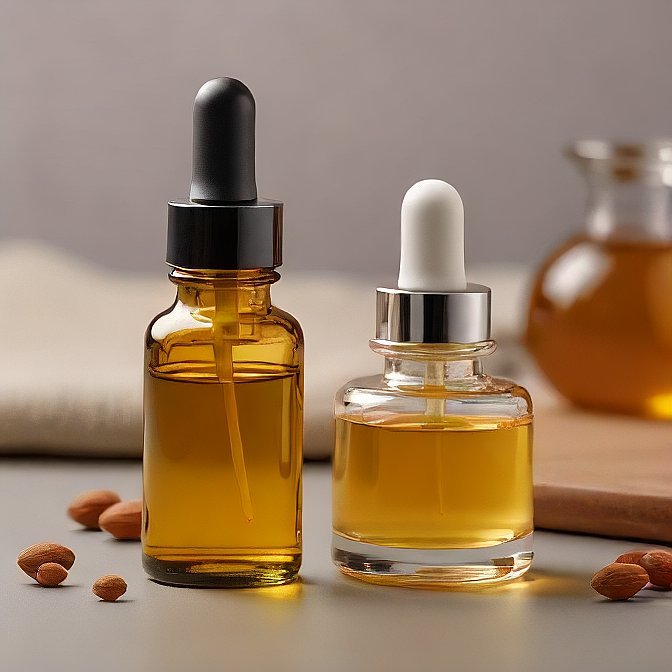
A common mistake is to apply the face oil before the serum. This could stop the serum from getting to the skin’s surface and therefore, not work so well. Often, people over-apply. Oils and serums can be powerful so best to use minimal amounts.
People also sometimes just go for whatever’s fashionable, or looks prettily packaged. Lastly, people sometimes don’t take compatibility into account. The active ingredients in serums may not be compatible with everything oils and other ingredients.
The way to avoid these missteps is to know your skin type and labels, and individually test new products.
Conclusion
So in the battle of Face Oils vs. Serums, it’s not necessarily one over the other. But which one is right for you and your skin? The best time to use serums is for treatment and face oils are best for nourishing, strengthening and protecting the barrier of the skin.
If you want to whiten, lift or undergo other types of treatments, you may need a serum. If you want to improve your skin’s hydration and moisturise and seal in, then oils are best. To many, the best of both worlds.
But select the best for your skin care requirements and use it regularly. Here’s where the skin care routine is developed.
For more info: Click Here.
FAQs
1. Is face oil better than serum?
Not necessarily. Serum vs. Face Oils: typically, serums are better to address a particular skin issue and the face oils are better for hydrating your skin and increasing the moisturising barrier. It depends on your skin type.
2. But can I use face oils on oily skin?
Yes. And you can use some face oils (noncomedogenic such as squalane and jojoba oil) for oily skin. But it would depend on the products and the amount of oil.
3. Are both of them necessary?
No, but most skincare regimes will benefit from using both. A serum will offer specific treatments and a face oil will add moisturising and promote the skin’s barrier.