Table of Contents
Introduction
One of the most irritating skin issues is hormonal acne, since it does not act like a normal breakout, it is also a cyclic result and tends to be worse when one is experiencing the worst moments. In contrast to superficial acne, which is induced primarily by dirt or clogged pores, hormonal acne is strongly reliant on internal body processes, particularly the variations in androgen hormones that promote the creation of oil in the body and induce inflammation.
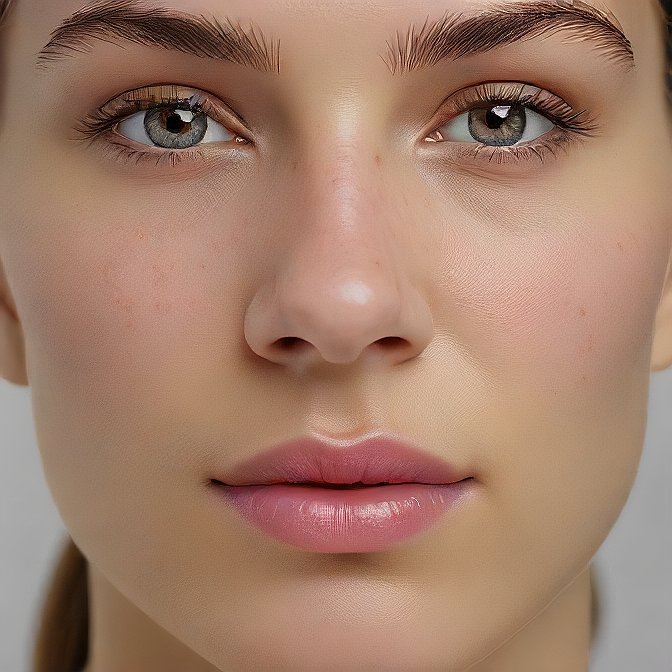
This form of acne is most prevalent around the jawline, chin and lower cheeks and frequently can be seen as painful, deep, cystic bumps that are harder to heal. Numerous individuals observe that their breakouts become more egregious during menstrual periods, times of significant stress or hormonal changes like puberty or diseases like PCOS.
Topical treatments may not be sufficient since hormonal acne is a condition that is caused by internal imbalances. It needs a more comprehensive one that will help to maintain the health of the skin and the general balance of the hormones. This guide will introduce you to 7 tips for using nature proven to help manage hormonal acne, minimize the irritating breakouts and half-life ones, and make a difference in that your skin is the clearest and healthiest on the inside.
What You need to Know before Hormonal Acne: What Really happens Under the Skin?
This imbalance does not merely cease with oil production, it also causes inflammation and that is why hormonal acne is often known to occur as red, puffy, and even painful breakouts, as opposed to minor surface acne pimples.
Hormonal changes may be due to several factors such as puberty, menstrual cycle, PCOS (Polycystic ovary syndrome), and chronic stress. All these have the potential to disrupt the natural equilibrium of hormones in the body triggering a repeat acne breakout.
The pattern of hormonal acne is one of the major means of its identification. It is generally located in the jaw line, the chin and the lower face and tends to be more flared in cycles than randomly dispersed on the skin. It can also exacerbate menstrual periods or times of emotional or physical distress.
1. Balancing hormones in a natural manner
Diet is a potent force in controlling hormonal acne, where some foods enhance hormonal balance, whereas some interfere with it. Processed carbohydrates, dairy products, refined sugars, and highly processed foods have been known to cause inflammation and a spike in insulin levels, which in turn may indirectly aggravate the acne since it stimulates overproduction of oil.
Hormone regulation is also closely associated with another important factor: gut health. The well-established gut microbiome aids the body in the right way to absorb and remove the surplus hormones and minimises the chances of hormonal imbalance, which triggers breakouts.
2. Control Cortisol to lessen Hormonal Acne Relapse
One of the least recognized causes of hormonal acne is stress. Stress leads to an elevation of cortisol levels in the body which is capable of producing more oil as well as inflaming the skin. The chronic consequences of high cortisol levels are the increased breakouts and deeper breakouts over time.
Another aspect of crucial hormone balance is sleep. Inadequate or illogical sleep interferes with the natural hormonal cycle of the body, and the skin is less likely to be fixed and regenerate. Aiming to get 7-9 hours of sleep per night helps with hormonal stability and overall skin condition and will help decrease the rate of breakouts with time.
3. Help Hormonal Balance Natural Supplements and Herbal Remedies
Certain herbal remedies and supplements may help balance hormones within the body, and add to hormonal acne. One of the most popular and researched is spearmint tea that could potentially reduce the androgen levels. Since the surplus androgens may be stimulating oils production, it therefore may be that, over time, frequent drinking of spearmint tea would breakout more frequently.
Also, these nutrients as zinc, omega-3 fatty acids, and vitamin B6 are traditionally accredited to enhance the skin color and harmony of the body. Zinc is used to promote the healing of the wound and to counteract inflammation, omega-3s are used to make internal inflammation peaceful and vitamin B6 can be used to help towards balancing hormonal changes, particularly the period.
Check Out: Post-Acne Scars: 9 Expert-Backed Ways to Treat Them the Right Way.
4. Wash Delicate to Preclude Perturbing Hormonal Acne
In the case of hormonal acne, rough skin care products may sometimes cause more damage than good. Powerful cleansers that deplete the natural skin oils can destroy the protective skin barrier resulting in further irritation and further production of the oil in an attempt to restore it.
Rather, it is essential to clean softly. Practically one can use natural materials such as aloe vera, raw honey and chamomile that can get rid of the dirtiness and relieve the swelling as well as keep the skin hydrated. These ingredients will aid in keeping the skin clean without imbalances to the skin of their own natural state.
To minimize the breakout, one must be able to check that their skin barrier is healthy. The barriers are created, bacteria, pollution and even irritation are blocked and moisture is sealed by a merciless barrier in order to make sure that the skin is not harmed. However, the hormonal acne will be more out of control and more permanent when the skin is oversensitive right after the barrier is broken.
5. Apply natural topical treatments to Reduce Current Breakouts
The occurrence and the manifestation of active hormonal acne can be reduced once topical regimens are used diligently and routinely. One of them is tea tree oil which is famous because of its anti-inflammatory and antibacterial activity. However, it has to be combined with either carrier oil or aloe vera before it can be applied to the skin or it may cause irritation.
The other good natural therapy is green tea extract because it contains high amounts of antioxidants. It can be used to treat acne by decreasing inflammation as well as helping to regulate oil levels, making it useful in treating active acne and preventing the development of new acne.
6. Eat better intestines to aid hormonal acne
Recent research shows that gut health and hormonal acne are closely interrelated. The imbalanced gut microbiome can alter the level of hormones, the rates of inflammation, and the ability to effectively dispose of the excess hormones, which can cause breakouts.
In order to make the gut healthier, probiotic-rich foods such as yogurt, kefir and kimchi, among other fermented foods can be incorporated to encourage healthy bacteria. A healthy firm gut is crucial in deterring inner pains and in ensuring that the inner skin is naturally cleared.
Foods with high fiber content are also important in the regulation of hormones. The fiber aids the body in getting rid of the excess hormones by digesting them, without allowing them to recirculate and stimulating acne outbursts. Fruits, vegetables, legumes, and whole grains can be incorporated into the diet thus helping to maintain the health of the gut and also a clearer skin in the long run.
7. Prepare a Hormone-Friendly Skincare Routine Which Works
A regulated and gentle skin care routine would provide the treatment of the hormonal acne, yet the aspect in which the basic element of it is simplicity is in it. Excess use of goods on the skin may not be good at all but on the contrary prevents it.
Early Blood Cleanser (SPF, Essentials, Moisturizer)
The first thing in the morning, then, will be the non-irritating non-stripping cleansing agent that will wash off all the oil that accumulated on you in the night, yet still will not damage the skin barrier. Use a non-comedogenic light moisturizer that does not leave the skin greasy and sticky. Lastly, use a general SPF which will help keep the skin at bay UV damage which will eventually cause the acne to appear even darker and cut in acne to appear even worse.
Hormone Restoration Routine and Night Skin Repair
Take another bath, that may be purged of the dirt, oil and exterior crusts. It is high time it received the rich treatment remedies such as aloe vera or calming botanical serums. Even as part of a completely soaked dampener to enhance the capacity of the skin to self-repair, at night and relieve bowel pain.
Top Five Hormonal Acne Momasans
Although a good skincare routine is established, some habits may aggravate hormonal acne, rather than alleviate it. Amongst the greatest errors, the use of harsh acne products the harsh acids or drying treatments may harm the skin barrier and worsen the condition to trigger even more irritation and oil production.
Conclusion
Hormonal acne may be a constant and even annoying condition, yet it can be treated both internally and externally under the proper combination of internal and external attention. Rather than convincing yourself to use emergency band-aids, the lasting effect is to abstain, get to the underlying source of the issue, which could be hormone, inflammation, stress and lifestyle behavior, and deal with it over time.
Stress management, gut health, a calm skin care routine, and a clean, anti-inflammatory diet, will help you, over time, reduce breakouts and help you support healthier skin. There are also some other natural remedies such as spearmint tea, aloe vera, and green tea that might only be added to your routine as they will not only help to calm acne that is already active but also prevent any future outbursts.
Patience and consistency are the keys. There is a long time to stabilize hormonal balance and in the meantime, improvements will be noticed in your skin. It is unquestionably possible with a holistic approach which gives the appearance of clearer, more stable skin.
For more info: Click Here.
FAQs
1. What is the reason that the adults have hormonal acne?
The most critical cause of hormonal acne that accelerates oil production in the skin in such individuals is the changes in the hormone androgens among adults. The stress, menstruation periods, PCOS, food and sleep patterns cause this and result in clogged pores and inflammation.
2. Is it possible to treat hormonal acne without medications?
Most acne stemming from hormonal nature and mild to moderate severity can be handled correctly by true home remedies, which come in the shape of a normal life change: good food, stress relief, sleep, and beauty products. However, acne that is severe or cystic can be medically treated with the aim of having better control.
3. Do natural Remedies lag in the noticeable effect on hormonal acne?
Before it yields, the natural method usually requires some time to do so. The majority will begin to experience improvement within 4-12 weeks and skin type, acne severity and regularity of the regimen.