Table of Contents
Introduction
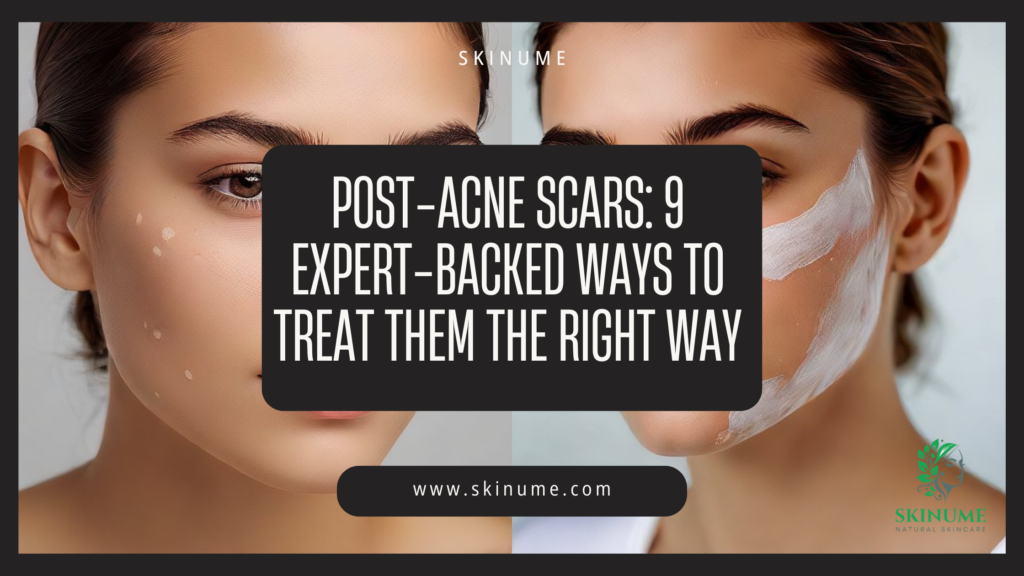
One of the most irritating skin problems is post-acnes spots because only a few years after the active acne has passed, you still have it. This mark can require months or even years to heal up and alter the texture of the skin and its tone and also have a wider impact on overall confidence.
We are to understand that not all such post-acne spots are alike. Other spots are dark or red spots because of inflammation (post-inflammatory hyperpigmentation/erythema), whereas other spots are real structural scars because of acne destroying collagen in the skin. This is the reason some of these scars are naturally self limiting, some of the scars are more specific.
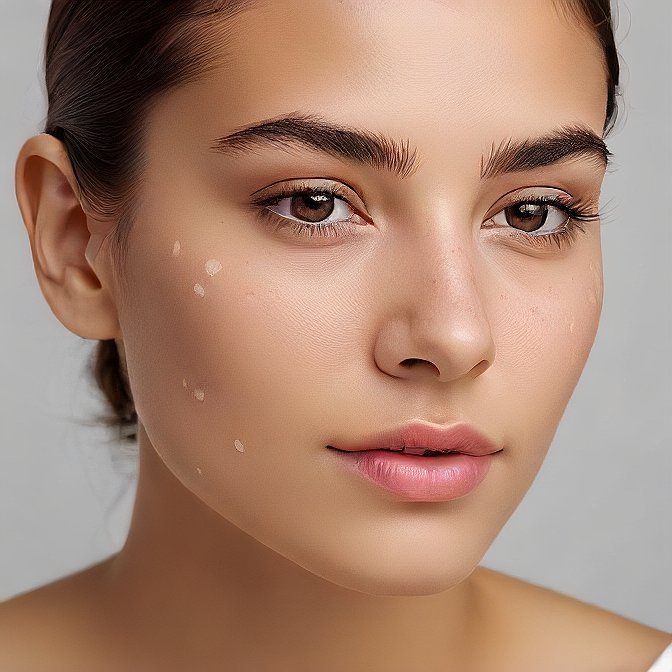
The post-acne scars normally develop because the acne inflammation reaches deep in the skin, interfering with the normal healing process. In the event of the collagen being destroyed or excessive production of collagen during the healing process, the process may result in either indented or raised scars leaving behind a lumpy skin texture that is more difficult to treat.
The best news is that, with an optimal mix of skincare, changes to lifestyle, and professional treatments where necessary, one can achieve a great improvement in the appearance of post-acne scars. Here, you will learn about 9 professionally-approved methods to treat them and heal back to a healthier and smoother-looking skin the proper solution.
Learning about Post-Acne Scars: Causes, Skin Changes andTypes
The first step in the process of treating post-acne scars is to know all about the scarring type and how it develops under the skin. Scars do not behave or appear in a similar manner, and not all of them should be approached in a similar manner.
Conversely, hypertrophic scars will be elevated and will take place when too much collagen is produced by the skin in the healing process. They are less prevalent on the face and may develop following severe acne.
It is also useful that a difference is made between post-inflammatory hyperpigmentation (PIH) and actual scarring. PIH are flat dark or red spots that are left behind after acne heals, and true scars are changes in the skin texture that are more permanent and structural.
All post-acne scars are caused by inflammation. When the acne is severe or picked, the deeper parts of the skin, such as collagen and elastin are destroyed through inflammation. The result of this interference with the healing process in the skin is the abnormal healing: either the formation of depressions, elevations or the discoloration of the skin.
1. Treat Acne Properly to prevent scarring early
Preventing the scars before they occur is one of the best methods that can be used to deal with post-acne scars. Early and adequate therapy for acne curbs the inflammatory effects and decreases the chances of irreversible harm to the skin in the long run.
Acne that is not treated or becomes severe will invade deeper into the skin making collagen damage more probable. This is the cause of permanent scarring in the end.
One of the bad habits is to pick or pop pimples. This causes bacteria to be pushed further into the skin, raises the level of inflammation, and the level of scarring and pigmentation is highly elevated.
The main causative factor of scar formation is inflammation, and therefore, active acne needs to be controlled early in life, after which the long-term care of the skin will be even smoother and healthier.
2. Fend away Oilier Days with SPF of Broadsour
The sun protection is highly important in improving the appearance of the post-acne scars. Based on exposure to UV, existing marks may also darken, and the healing time may slow down, exposing scars over time.
When bare skin is exposed to the sun it is subjected to uncontrolled exposure to the radiation, resulting in the melanin being synthesised at a rate that can intensify the discolouration, and prolong the duration of the period in which post acne effects will fade.
Having an SPF 30 or more broad-spectrum sunscreen will become effective in not only protecting the skin but also the UVA and UVB rays. Not only does this help to keep the scarred skin in the healing process, but also prevents further damage.
In case of acne prone or sensitive skin, non-comedogenic, lightweight sunscreens that do not block the pores are best to use. Gel or liquid formulas tend to be more comfortable and are less prone to causing breakouts.
3. Collagen Renewal with Skin Repair Boost with Retinoids
Retinoids are already known to be one of the best therapies to enhance the scars after the acne particularly in terms of skin texture and surface irregularities. They operate by triggering collagen synthesis and cell turnover to make the skin more effective in renewal.
Retinoids slow down the process of scars by causing cell turnover and enhancing the disappearance of discoloration and uneven spots, therefore, scars become less noticeable over time. They are particularly used with mild to moderate atrophic scars.
Novices should begin slowly not to get annoyed. Taking several doses of low strength retinoid a few times a week then slowly increasing the frequency to enable the skin to stand it. This must be used at night and then a soothing moisturizer is used to minimize the dryness.
The consistency is paramount, albeit retinoids are very slow acting; however, when applied continuously, they may enhance the looks of the post-acne scars within the course of time considerably.
Check Out: Skincare for Darker Skin Tones: 7 Powerful Tips for Even, Glowing Skin.
4. Fade Scars Vitamin C Brightening Fade Power
One of the best ingredients that can help improve the appearance of post-acne scars, particularly where discoloration and uneven skin tone are involved, is vitamin C. It assists the skin to heal itself naturally by enhancing the production of collagen, which aids in the healing of damaged skin structure over time.
It is one of the most important advantages that it has as it lowers pigmentation and discoloration that remains after the acne is healed. Vitamin C, being a potent antioxidant aids in melanin production, skin brightness, and even darkened spots, making the scars less visible over time.
Topical serums are the best way to make vitamin C a part of your routine, preferably used in the morning prior to sunscreen application. The combination allows increased protection against negative impact on the environment and promotes skin brightening during the day. In the case of sensitive skin, we can start with a lower percentage and reduce the irritation.
5. Soft Skin Felt with Soft Chemical Exfoliation
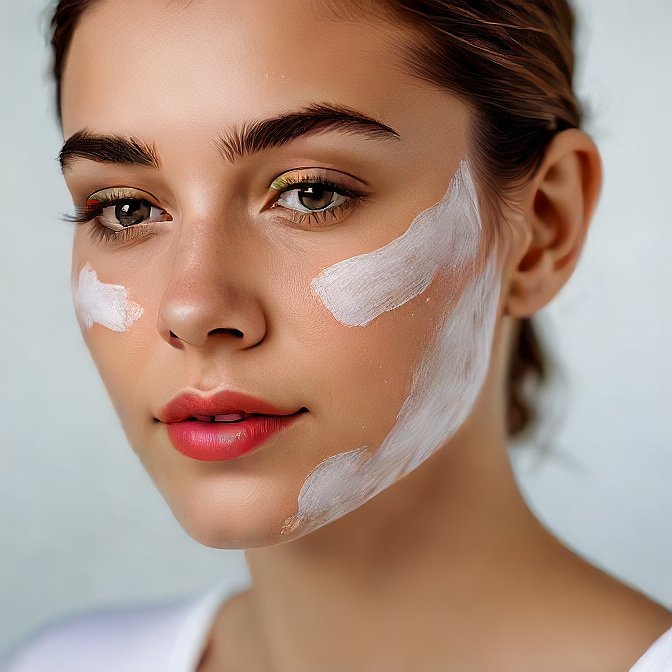
Light chemical exfoliation is also a valuable procedure to enhance scars of acne, particularly when it comes to bumpy skin and pore-clogging. Certain ingredients such as AHAs (alpha hydroxy acids) and BHAs (beta hydroxy acids), assist in the dissolution of the dead skin cells and a smoother and more even skin renewal.
AHAs act in the top layer of the skin to enhance the skin texture and brightness, whereas BHAs go deeper into the pores and make the skin clear and refined with time. They work hand in hand to promote the gradual healing of the scars.
Physical scrubs should also be avoided, as their abrasive particles may improve micro-tears in the skin, as well as cause more inflammation, and actually make scarring worse. Post-acne skin tends to be quite sensitive, so a rough scrubbing will not accelerate healing, but rather postpone it.
Most types of skin do not require more than 1-2 exfoliations per week. Over-exfoliation may result in skin barrier weakening and irritation, thus causing post-acnes scars to be more noticeable rather than disappearing.
6. Moisturize and Repair Skin with Repairing Ingredients
Barrier support and proper hydration are critical to the recovery of post-acne scars and overall skin health. The skin will heal itself better and certainly look plump when hydrated.
Hyaluronic acid is a major component that has been found to be responsible for attracting and retaining moisture in the skin. This aids in enhancing elasticity and decreasing the emergence of irregular texture on the scars and making them less conspicuous with time.
The repair of the skin barrier is also crucial as a healthy barrier will avoid irritation and stimulate the healing process in the long run. Reduced barrier results in slowed healing of the scars and excessive responses of the skin to treatments.
7. Scars Within, Between, and Beyond: Nutrition and Lifestyle
The question of healing the scars of acne is not merely one of topical products– what you take in and the way you live are as much a part of skin healing as anything else. Proper nutrition will aid in collagen synthesis and in-depth skin regeneration.
The hydration is also important. Consumption of sufficient water during the day aids in enhancing skin plumpness, sweeping out toxins and enabling the body to repair itself which will eventually enable the skin to appear smoother as time goes by.
Some other lifestyle issues, such as sleep and stress management, also play an important role. The inability to sleep fast slows down the renewal of the skin, and in the case of chronic stress, inflammation in the body develops, and the appearance of post-acne lines may become tardier. Regular rest and stress-free methods can significantly increase skin healing.
8. Use Professional Interventions to achieve quicker changes
The chemical peels, which assist to resurface the skin and peel off the damaged areas, is one of the most important. This encourages the formation of new healthy skin and increases texture and pigment as the time passes by.
Microneedling meets its requirement by causing controlled micro-injuries to the skin and this causes collagen production. This will eventually fill in depressed scars, as well as flatten uneven skin texture.
To treat more complex or recalcitrant scarring, laser ablation may be used to target deeper within the skin to remodel collagen and make a tremendous difference in the skin structure. These strategies are usually undertaken in a series of sessions to achieve the best outcomes.
9. Be Regular: Scar Treatment Takes Time
The treaties on post-acne scars are a procedure that requires patience. The fact that skin is able to regenerate itself is natural and it takes time before one can actually see the visible change when cells were replenished with new and healthy ones where infected ones were located.
One has to be patient since loading the skin with numerous products or changing a routine too often may also slow down the improvement. Constant attention enables therapies to be effective and contributes to the improvement of skin over time.
Recording realistic progress such as monthly photos could enable you to notice subtle.
Conclusion
Acne scars can be hard to heal but can still be enhanced. Once you have these components of prevention, special skin care and the correct living habits, you can gradually start to form a sleeker and even skin.
To achieve this, the trick is that both repair and protection in must be targeted, encouraging collagen production, calming inflammation, and preventing further damage, with the help of sunscreen and mild skincare. The skin texture also can change significantly as a contributor to age thanks to certain ingredients like retinoids, vitamin C and niacinamide and treatments like exfoliation and professional treatments.
Most of all, however, run-through and patience are key. The skin is a slow process requiring the resultant changes in the skin necessitating a slow process to renew the skin hence the time of remembering the end product of taking constant care of the skin that would lead to a long-term gain.
For more info: Click Here.
FAQs
1. Are post-acne scars comprehensive and removable?
The post-acne scars exist, but some can be specifically the light pigmentation spots which can become invisible with time. However, deeper structural scars may not be entirely eliminated but they can be significantly improved upon taking of care of the skin and handling of the skin by a professional.
2. How long can you recover the post-acne scars?
It relies on the kind and extent of the scars. Light scars will heal in 4-8 weeks and serious post-acne scars will require several months or years with regular therapy.
3. How can the best treatment of post-acne scars be done?
A combination of treatments is the best strategy. Home treatments include retinoids, Vitamin C, sunscreen, and exfoliation using chemicals, whereas Laser therapy, microneedling, and chemical peels are more advanced and will achieve faster results.