Table of Contents
Introduction
Pregnancy is a lovely experience; it brings about dramatic changes on the body including the skin. Because of hormonal shifts, various villainous complications can be established in the acne, dryness, pigmentation, or sensitivity increase, thus even your regular skincare routine is something to consider as a dangerous fix. The ingredients of most conventional products might not suit expectant moms, so it is even more critical to pick up the skincare accordingly.
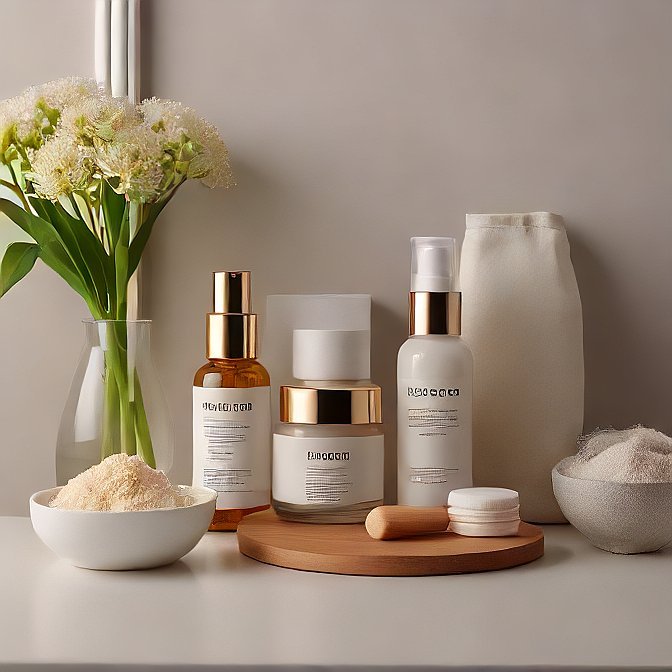
Pregnancy-safe skincare is where this enters the picture. Avoiding harmful products, you can keep your skin and your baby safe and preserve your radiance by picking up gentle, effective, and non-toxic products. Here we will take you through all you should and shouldn’t know – including the best ingredients to avoid, the essential products to add, and a detailed cleanse, moisturize, repeat regimen – to keep your pregnancy-fugured skin glowing, healthy, and uncompromised.
Understanding Pregnancy-Safe Skincare
What “pregnancy-safe” really means in skincare
Pregnancy-safe skincare is a term that is used to describe products that have been developed without including ingredients that might hurt your baby or those that will give you irritations as the skin changes during that period. The products are mild, non-toxic, and aimed at taking care of the skin without hurting it, but on the contrary, support the skin health and care of skin issues such as dryness, acne, or pigmentation during pregnancy.
Key differences between regular and pregnancy-safe products
These harsh and active ingredients are not present in pregnancy safe skincare compared to conventional skincare. They are fond of calming botanicals, mild acids and moisturising agents as opposed to retinoid containing powder, hardworking exfoliants and formulas containing a multiplicity of ingredients. Long run soft efficacy and safety are all about that.
Skincare myths and wrong beliefs about skincare during pregnancy
- You cannot use anything other than natural oils. Untrue; a lot of ingredients clinically tested are not harmful.
- This is because all chemical sunblocks are detrimental. That is not always the case; mineral-based SPF is typically suggested.
- Pregnancy brings about acne. It can be brought on by hormonal changes, but it can be avoided with skincare.
Ingredients to Avoid During Pregnancy
Common harmful ingredients
There are ingredients that are not good when pregnant; they include:
- Retinoids (derivatives of vitamin A) – associated with birth defects
- High concentration salicylic acid – risky in the topical form or application taken orally
- Hydroquinone– a powerful bleach agent, not advisable
- High concentration of essential oils – some are able to induce contractions
Why do they pose risks to mother and baby
These ingredients can reach the bloodstream and affect fetal growth or will serve as cause of severe complications during gestation. The cumulative consequences can also constitute the use of even products that seem safe, even external ones, tend to be topical.
How to identify unsafe ingredients on product labels
- Make sure you look at the active ingredients list thoroughly
- Seek products containing pregnancy-safe or dermatologist–tested written on it.
- In case of uncertainty, be communicate with your OB-GYN or dermatologist
Check Out: Summer Skincare: Essential Tips for a Fresh, Sweat-Free Glow.
Glowing Skin ingredients
Oils and botanical extracts of animals that can be used in pregnancy
- Coconut oil forms a moisturizer on the dry parts
- Shea butter- facilitates elasticity and aids in the fight against stretch marks
- Aloe vera –potens to hyper-sensitivity, redness
The action of these ingredients in combating dryness, sensitivity, and pigmentation
It is a combination of non-toxic and moisturizing, and nourishing factors; consequently, it would enable the skin to fight the impact of the above-mentioned factors that may be experienced during pregnancy. They boost the protective film of the skin with skin conditions like skin inverted and your skin is free of marks and transparent without exposing your skin to dry and crushed chemical ingredients in skin.
Step by Step Pregnancy Safe Skincare Routine
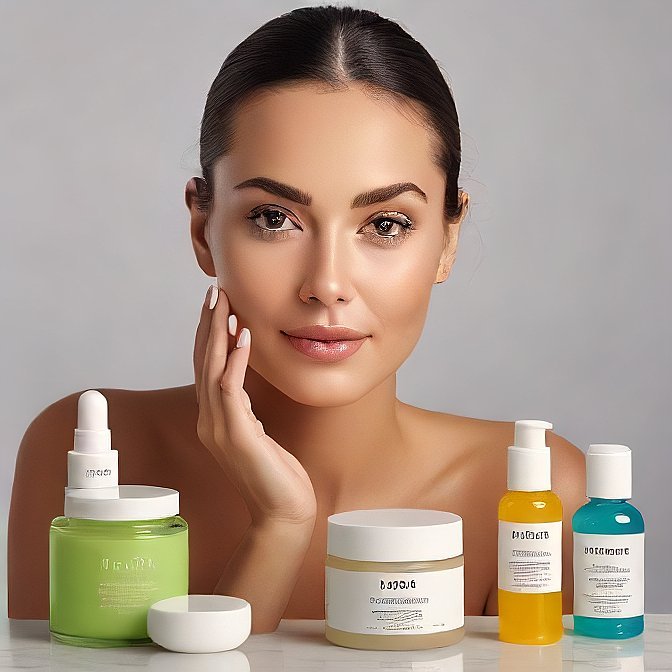
Morning: Bathing, Hydrating, SPF
- Wash: It is backed by an odor-free/ sulfate-free cleaner that does not clean the natural oil on the skin or cleanses it at night.
- Hydrate: Replace with an oil that has a hydrating ingredient such as hyaluronic acid or shea butter which promotes the circulation of the hydrated dermis.
- Protect: Recall protection: place an all-purpose mineral based sunscreen, 30 + SPF, on the outside of the pineal to avoid pigment loss.
Evening Routine
- Removal of make-up: light cleansing oil or Micellar water: Can be used without any harm. Do not have abrasive scrubs and exfoliants.
- Super moisturizer: To boost, more oily products, such as the night creams, should be used.
- Target problems: Contain active ingredients (vitamin C or niacinamide) in the serum and are safe to lighten and mend skin overnight.
Soft Exfoliation and Soothing Masks Therapies:
- Exfoliate: once a week a light exfoliator (e.g. lactic acid) can be used which is not harmful during pregnancy.
- Calming masks: Aloe, oatmeal or chamomile are added to some other calming and moisturising ingredients in calming masks.
Pregnancy-Safe Skincare for Common Skin Concerns
Dealing with Hormonal Acne Safely
- Apply low dose benzoyl peroxide or azelaic acid, topical antibiotics and mild soaps.
- Salicylic acid or high doses of retinoids should not be used.
Treating Pregnancy Pigmentation
- Protect against the dark spots with a wide-brimmed SPF daily.
- Even the skin tone could be helped with the lighteners that are easily available such as vitamin C and niacinamide.
Calming Diminished Ability and Scarletness
- Avoid perfumed goods and adopt those that are hypoallergenic.
- The irritation is soothed by aloe, calendula and chamomile.
What to do with Stretch Marks and Dry Patches.
- Frequently apply shea butter, cocoa butter or oils rich in thoroughly unwanted spots (e.g. coconut oil or almond oil).
- Use thick creams on the skin so that they remain moist especially after taking a shower.
Tips for Choosing the Right Products
The instruction book on how to read Skincare Labels
- Find active ingredients and their percentage.
- And do not use taboo ingredients (retinoids, high concentration salicylic acid).
- Look at the label, is not indicated to be pregnancy-safe or even under dermatologist testing, or hypo.
How to shop for the skincare procedures to use during pregnancy
- Low priced: Ordinary (safe formulations), Cetaphil, CeraVe.
Low and Premium prices
No need to get safe skincare at a high cost. Customers give preference to the safety of ingredients and not brand name.
Lifestyle Habits That Boost Skin Health During Pregnancy
Fluid and Balanced Diet
- Water helps in getting rid of toxins, and it in keeping your skin soft and smooth.
- Include skin friendly vitamins like vitamin C (so that the skin can become collagen), omega- 3 fatty acids (so that the skin can become hydrated and elastic) and zinc (so that the inflammation is reduced).
Get in Shape with Safe Workouts
- Pregnancy safe activities of increasing the blood flow such as walking, swimming or prenatal yoga, are coupled with the supply of nutrients and oxygen to your skin.
- Workouts also minimize the retention of fluid in the body and puffy face to maintain your complexion at its prime.
Stress Management for Healthy Skin
- In case the stress level is high, breakouts can take place and cause the skin to become sensitive.
- Relax the mind and skin through relaxation methods, either by meditation, deep breaths or relaxing prenatal yoga.
- Sleep is also essential to allow the restoration and healing of the skin.
When to Consult a Dermatologist
Symptoms Your Skin Needs to Be Attended to
- Chronic/acne that has advanced and is no longer responding to the over-the-counter medications.
- Roughness, eruption or abnormal pigmentation.
- Stretching or easily getting an infection.
Treatments that the person needs to take into account when pregnant
- The azeleic acid is treated at its recommended levels to treat severe acne.
- Topical treatment using corticosteroids that are mild and medically supervised in treating inflammation.
- A professional advises the mother to employ cosmetic suggestions such as chemical peels, application of lasers and other beauty amenities most of which cannot be utilized during pregnancy up to after childbirth.
Conclusion
You need not make it difficult in order to treat your skin during your pregnancy, as it is a time of changes. With safe ingredients, the right combination of skincare items, and containing non-toxic, but efficient products, throughout these nine months, you can feel sure of maintaining that shiny complexion.
Remember to:
- Wash, lubricate and cover daily.
- Take active, safe but effective ingredients, e.g. vitamin C, hyaluronic acid, niacinamide.
- Advice about a good change of lifestyle on skin care like water consumption, intake of safe and healthy food and stress management.
And, most importantly, skin and body. The frail, fragile gesture of carefulness may go a long way- not unaccompanied to your complexion, but to all your health in prenatal days.
For more info: Click Here.
FAQs
1. When I am pregnant, ought I to use chemical sunscreens?
The ideal sunscreens should be mineral based (zinc oxide or titanium dioxide) as they are not harmful and as efficient as the ones used in sunscreens. These are probably some of the fine ones, and others are the chemical sunscreens. and see your doctor.
2. Can these essential oils be applicable on pregnant women?
Some of the essential oils are harmful when in concentrated form. Avoid over-safety during pregnancy levels and pregnancy limits when utilizing the oil, or just utilize what is good during pregnancy, and also use lavender oil or chamomile.
3. What can I do to start my usual skincare routine having given birth to the baby?
The ingredients that can be reintroduced most frequently after breastfeeding or at the advice of your dermatologist may include retinoids and more effective chemical exfoliants. Don’t hurry but you should start making a note intuitively about what your skin will respond to when you become pregnant.