Table of Contents
Introduction
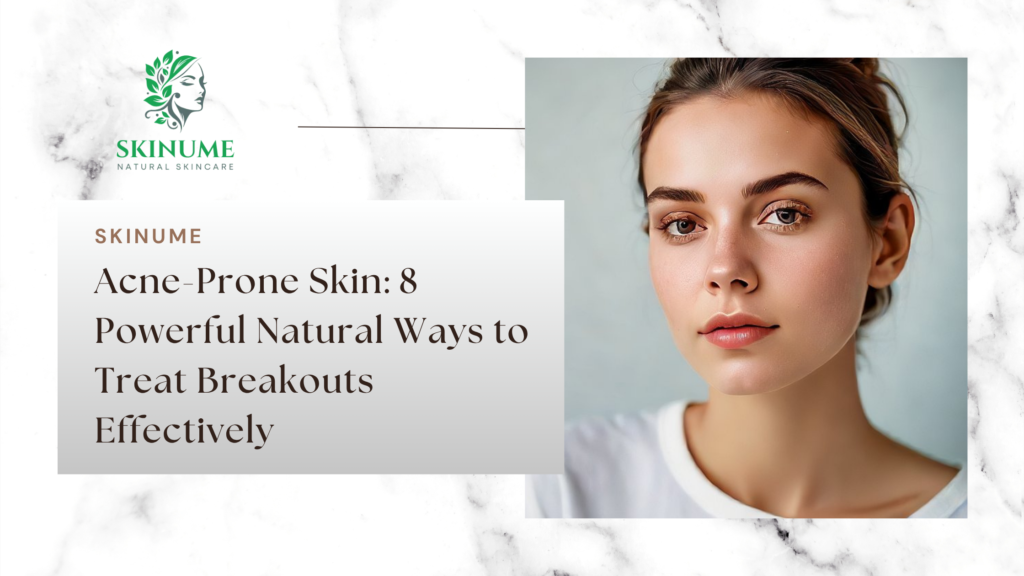
Demanding more than a few sporadic breakouts, acne-prone skin is a type of skin that needs regular, careful treatment in order to be balanced and healthy. Acne-prone skin is characterized by very frequent pimples, blocked pores, blackheads and inflammation, which can be provoked by a complex of factors: too much oil production, hormonal imbalances, accumulation of bacteria, stress, and even lifestyle.
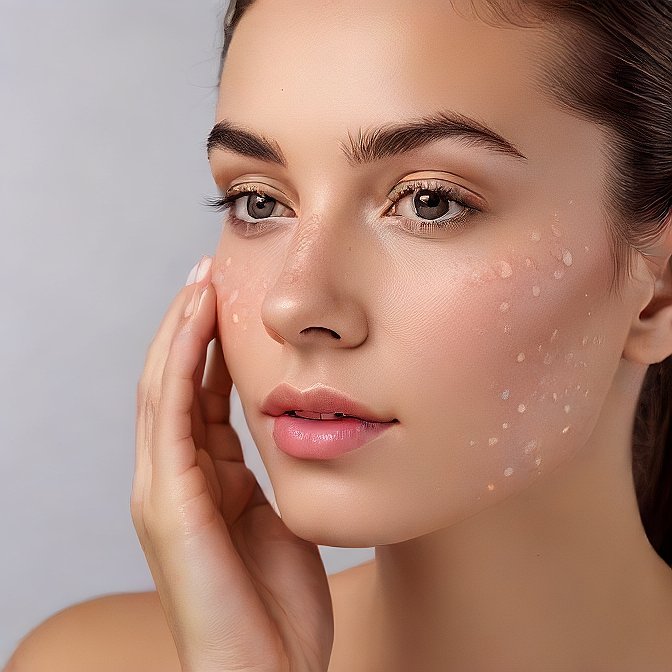
With endless skincare products in the market, most of them have harsh chemicals that strip the skin and may further result in even more severe breakouts. This is why the resort to natural and mild methods that aid the process of skin healing without any irritation is growing among more people.
Why Acne-Prone Skin is So Hard to Control?
The acne-prone skin may be hard to manage as it is affected by various factors both internal and external, that tend to interact. It is mostly caused by excessive sebaceous (oil) glands, which render surplus sebum that can easily block pores and provide a perfect set-up in terms of breakouts.
Once the pores have been clogged with oil, dead skin cells and bacteria, this creates a vicious cycle of clogged pores and inflammation and worsens and causes new pimples in existing acne. Failure to handle this cycle can be annoying and relapsing.
The other problem is that an acne prone skin is sensitive to harsh skincare products. Lots of people use powerful cleansers or treatments without knowing that it robs the skin of the natural barrier which results in it getting irritated and producing more oil which is an effort to counter its lack.
Lastly, acne is not just skin deep; it is triggered by inward and outward factors. The hormonal, stress, dietary and lifestyle habits are active factors on the inside whereas pollution is an outer factor, as well as commercially used skin care products or even the hygiene practices, are outer factors. This is a multifactorial aspect that causes the acne-prone skin to be complex and would need a delicate and balanced approach to take proper care of it.
1. Tap the Strengths of Tea Tree Oil to be used as a Natural Anti-bacterial
Offering high anti-bacterial and anti-inflammatory activities, tea tree oil is one of the most famous natural acne solution agents for problematic skin. It is useful in targeting acne-causing bacteria (Cutibacterium acnes) as well as decreasing the amount of Redness and swelling during breakouts.
Tea tree oil is even good for acne. When applied properly, it is likely to reduce the number of active pimples and prevent future ones by keeping the pores cleaner, which is less inflamed.
Store tea tree oil in a dark amber glass container to prevent oxidation and breakage of its compounds that may cause harm to humans and animals when in a pure state. One of the most common amounts of tea tree oil used with a carrier or aloe vera gel is 1-2 drops of tea tree oil. Use a clean cotton swab to apply to affected areas.
Nevertheless, some significant errors should be prevented. Care is not to be taken when using undiluted tea tree oil on the skin since it may irritate or result in dryness or burning of the skin. Another tip is not to use it excessively, as excessive essential oil may break the skin barrier rather than repair it.
Check Out: Nighttime Skincare: 8 Effective Steps for Visible Anti-Aging Results.
2. Wash Acneic Skin with non-comedogenic Gently
Washing is among the best measures that can help in controlling acne-prone skin, this needs to be done softly. This is aimed at eliminating dirt, oil and contaminants without depleting the natural skin moisture layer.
The mild and non-comedogenic components can be used to keep the pores clear without causing imbalance. Raw honey, aloe vera and oatmeal are the best natural cleansers, as they not only clean the skin, but also soothe inflammation and even hydrate the body.
Frequently washing the face with harsh cleansers may dry out your skin, which results in a larger production of oil as a defense. For sensitive acne skin, cleansing the skin twice a day is always sufficient to keep the skin in a good balance.
3. Balance Oil Production with Aloe Vera and Green Tea Extract
One of the biggest objectives of handling an acne prone skin is to control excessive oil on the skin without overdrying the skin.It is non-comedogenic and lightweight in the sense that it has no effect of clogging the skin pores hence it can be used in oily and acne-like skin.
Conversely, green tea extract is rich with antioxidants called catechins that not only help in the synthesis of sebum (oil) reduction, but also help in fighting bacteria that cause acne. It also causes the skin to be less swollen and unable to react to the influence of the outside world, which could give rise to a breakout.
To create a simple DIY, you may create a nice face mask using fresh aloe vera gel and chilled green tea. Apply to the skin in the same manner, and overapply to the skin and leave to stand between 10 and 15 minutes and warm it using the assistance of lukewarm water. This blend helps in refreshing the skin and even controls the excessive oil to a certain extent.
4. Natural Scrubs
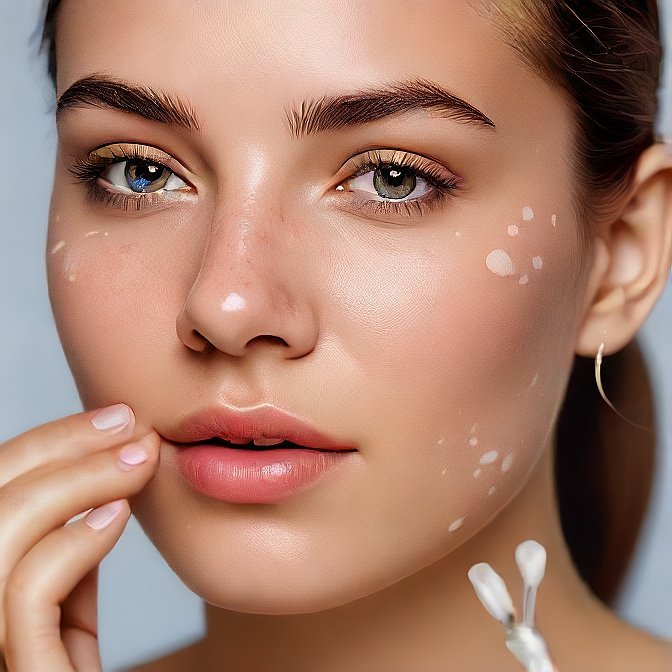
Aggressive physical scrubs containing big and rough particles may produce micro-tears in the skin resulting in a rise in irritation, inflammation and further outbreaks.
Exfoliating 1-2 times a week, on average depending on sensitivity, is beneficial to most acne-prone types of skin. Via over-exfoliation, one can damage the skin barrier and stimulate even more production of oil. Regularity and restraint are essential to have clear and healthy skin.
5. Healing Acne Internally with a Diet Friendly to the Skin
Clear, healthy skin begins on the inside. In people who have acne prone skin, food is a significant factor in either pacifying or causing breakouts.
It is known that there are foods that contribute to the worsening of acne such as snacks high in sugar, dairy products and highly processed oils. They can cause the body to be more inflamed and can cause surplus production of oil, which can result in pore congestion and breakouts.
In contrast, skin-friendly food consists of those rich in omega-3 fatty acids, leafy green foods, and fruits with antioxidants such as berries. Omega-3s lower inflammation, greens aid in the detoxification process and berries combat oxidative stress which can cause damage to skin cells.
It is also necessary to be hydrated. Consuming an adequate amount of water during the day will aid in the elimination of toxins, aid the skin to be elastic hence maintaining the skin barrier in good balance. Hydrated skin will not be apt to be overly oily or irritated and it is one of the aspects of dealing with acne-prone skin.
6. Honey on the spot: Make Honey a Natural Antibacterial Spots Treatment
Raw honey is among the best natural remedies for calming the process of inflamed breakouts on the acne-prone skin. It is that which is laced with the strong antibacterial and anti-inflammatory effects that help to combat bacteria that cause acne and at the same time accelerate the healing process of the skin. Honey is also suitable for even sensitive skin unlike harsh spot treatments, which do not work, particularly in sensitive skin.
You can use honey as an overnight spot treatment to treat more stubborn breakouts as well. Use sparingly on the problem areas and rub off at night and rinse in the morning. With time, this will aid in the minimization of active pimples and aid in quicker skin healing without causing either drying or irritation.
7. Countermintuitive: Decrease Breakouts through Stress and Hormone Management
Hormones and stress are also elements leading to acne prone skin that might also result in sudden and chronic breakouts. The level of stress also increases more cortisol, a hormone that may lead to the production of more oil in the skin. The excess of oil can lead to the clogging of pores, hence inflamed, which exacerbates acne.
It may help add some basic stress-reduction methods, which can help to manage these internal triggers. Among activities that improve the overall skin balance, yoga, meditation, and deep breathing can be used to manage stress hormones. One needs to practice good sleep hygiene, and it cannot be any other way since it is during rest that the skin heals.
Before sleep habits that could really be quite helpful over time were adequate sleep (7 9 hours of good sleep) and no-screen time.
8. Have a No-Toxic But Simple Skin Care Routine to Protect an Acne-Prone Head

Skin Acne-prone protection is not merely about how to treat an acne attack but also about how to prevent one from occurring. Daily sunscreen application is also one of the most crucial preventive measures. Most people do not use sunscreen because they fear that the pores will be blocked but new generation products are very lightweight, the new content is non-comedogenic; thus, they do not clog up the pores nor exacerbate acne or affect the skin. The sunscreen can also prevent the skin from getting UV-damaged, to darken the acne scars and slow down the healing process.
Moisturizing is also essential, even in the case of oily and unhealthy skin. A non-comedogenic moisturizer should be chosen to avoid putting too much oil in the skin and blocking it with it. Proper skin hydration means that the skin will not tend to over-produce sebum, which will assist in reducing breakouts with time.
Conclusion
Cure of acneic skin is a gradual process, which needs time to get into your skin. Our natural Anti-Aging Oil is free of artificial preservatives (including chemical agents), and made of oil, aloe, and green tea to unify their composition and create a non-toxic, non-polluting and low-toxic/non-toxic oil, which is advised (and suggested) as being healthy by doctors.
Enso too is the question of what you do. A mix of a meat-free diet, fluids, stress relievers, and sleep contributes to a reduction in inflammation and prevents additional cases of acne. These are the natural steps that change, which will result in a tremendous change in the appearance and sensation of your skin, provided that these steps are incorporated in the core as a non-toxic skincare regimen.
For more info: Click Here.
FAQs
1. What is the most effective natural acne treatment?
No answer to the question of the best treatment, but there is a preference towards a combination of natural treatments. Such ingredients as tea tree oil (diluted), aloe vera, honey and green tea are highly beneficial when combined and taken regularly as they will minimize the frequency of inflammation, bacteria, and soothe the down powder prone skin.
2. How long will it require to demonstrate the effects of the natural remedies on the acne-prone skin?
Depending on the skin and seriousness of the acne, the results can be identified but in the vast majority of cases, after the regular therapy where the results take 4-8 weeks, one begins to notice the difference. Natural treatment is not fast acting and thus perseverance and patience will be essential in achieving long term results.